Model CD1, single speed wire rope electric hoist is small-sized lifting equipment, which can be mounted on single beam, overhead, gantry and jib cranes, with slight modification; it can also be used as a winch.
MORE
HOT PRODUCTS

Model CD1, single speed wire rope electric hoist is small-sized lifting equipment, which can be mounted on single beam, overhead, gantry and jib cranes, with slight modification; it can also be used as a winch.
MORE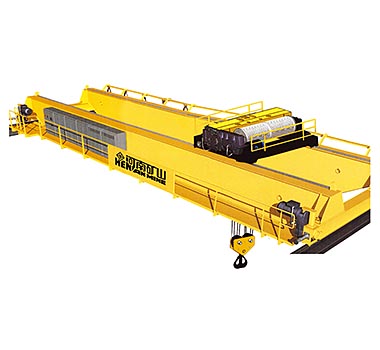
HNKS Crane Co., Ltd is one of Chinese leading manufacturers of many kinds’ cranes. Such as overhead Crane, gantry crane, European crane, tire rubber crane, metallurgy crane, portal crane, jib crane, electric hoist, grab bucket, etc.Welcome to Changyuan ...
MORE
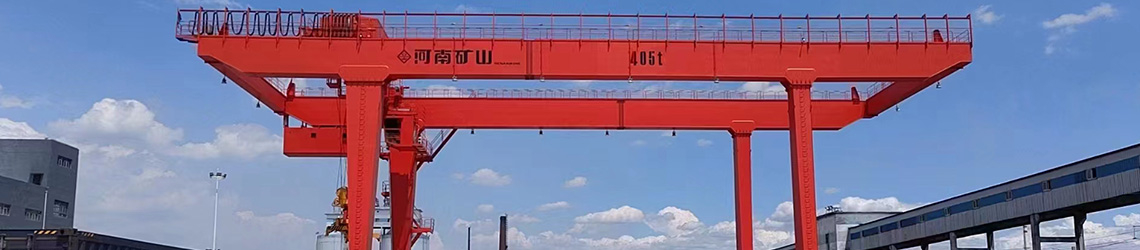
Gantry Crane actually is overhead crane with legs, it’s normally worked outdoors, and also sometimes indoors
MORE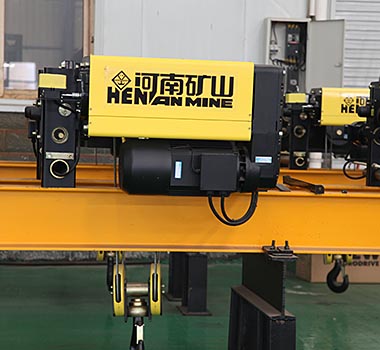
European wire ripe electric hoist adopts the European FEM design standards with advanced concept, the operation is simple, convenient and working is safety and efficient and meet the low noise, energy conservation and environment protection requiremen...
MORECleanroom Explosion-proof Electric Hoist Double-girder Crane for High-purity Crystalline Silicon Project | Henan Mine Crane
2023-04-03

Domestic Standards: Must strictly comply with relevant Chinese national standards (such as the GB 3836 series for explosive atmospheres) and inspection specifications for explosion-proof hoisting machinery (such as T/CASEI 61001), and must obtain China Compulsory Certification (CCC) and an explosion-proof conformity certificate.
International Standards: Import/export operations or high-end foreign-invested projects typically require compliance with the EU’s ATEX certification or the IECEx certification from the International Electrotechnical Commission. These certifications entail rigorous third-party testing regarding the motor's flameproof enclosure, intrinsically safe circuitry, and maximum surface temperature limits.
The design and manufacture of the equipment must comply with ISO 14644-1 (international cleanroom standard) or GMP (Good Manufacturing Practice for pharmaceutical products).
Based on the specific requirements of the client's workshop, the equipment's particulate emission levels—both during operation and in a static state—must be clearly defined to ensure compliance with the standards for cleanliness levels such as ISO Class 4 (Class 100), ISO Class 5 (Class 1,000), or ISO Class 7 (Class 10,000).

The explosion-proof rating of the crane is determined based on the type and concentration of flammable and explosive substances present in the cleanroom. Accurate determination of this rating is the foundation of the design and may sometimes require environmental monitoring data.
Critical crane components (such as motors, gear reducers, and control boxes) utilize intrinsically safe designs or explosion-proof enclosures to prevent the escape of sparks. Non-sparking materials or surface treatments are employed to minimize friction and avoid igniting dust or gases. The design fully accounts for sealing performance to prevent explosive gases from entering the equipment's interior.
Dust and gases in cleanrooms are highly prone to accumulating static electricity. Crane designs must incorporate grounding and static elimination devices to effectively prevent discharge sparks caused by static buildup. Regarding material selection, priority should be given to materials with antistatic or good conductive properties.
Electrical equipment, such as control systems and motor drives, must be explosion-proof certified, and cable routing must utilize explosion-proof wiring methods to prevent sparks caused by short circuits. Control cabinets must feature flameproof or intrinsically safe designs. Heat generation from electrical components must be strictly controlled to prevent overheating.
Parameters such as humidity, temperature, and pressure differentials in cleanroom environments significantly impact the equipment. The explosion-proof design of the crane must account for these factors to ensure that explosion-proof performance remains effective under extreme conditions. For instance, anti-corrosion measures should be enhanced in high-humidity environments, while precautions against condensation—which could compromise electrical insulation—are necessary where there are significant temperature fluctuations.
Access paths and interfaces should be incorporated into the design to facilitate inspections and maintenance, enabling routine checks of explosion-proof performance and equipment servicing. Ensuring explosion safety and maintaining a clean environment during maintenance are equally important; corresponding operational procedures must be established to support these requirements.
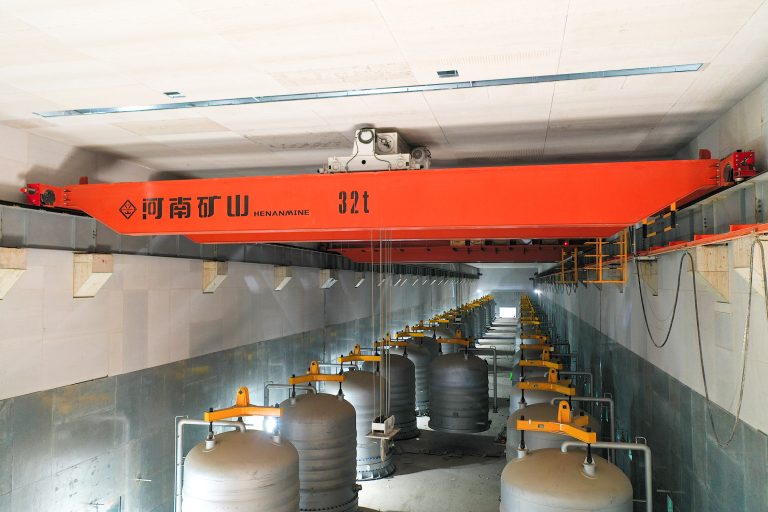
LB Type Explosion Proof Electric Single Girder Crane
| crane travelling mechanism | Working speed(m/min) | 20/15 | ||
| speed ratio | 58.95 | |||
| motor | type | cone squirre-cage | ||
| power(Kw) | 2×0.8、2×2.2、1.5×2 | |||
| rotational speed(n/min) | 1380/960 | |||
| Lifting Machanism(electric hoist) & electric hoist travelling mechanism | model of electric hoist | HB、BCD、BMD | ||
| Lifting speed(m/min) | 8/0.8、7/0.7、3.5/0.35 | 8、7、3.5 | ||
| Hoisting height(m) | 6、9、12、18、24 | |||
| Travelling speed(m/min) | 20 | |||
| motor | cone squirre-cage | |||
| Working class | A3 | |||
| electric current | 380V 50HZ three-phase | |||
| wheel diameter | Φ270、Φ370 | |||
| width of track | 37-70mm | |||
| explosion proof grade | ExdIIBT4、ExdIICT4 | |||
QB Type Explosion Proof Overhead Crane With Cap
Table 1
| Lifting Weight | t | 5 | ||||||||
| span | m | 10.5 | 13.5 | 16.5 | 19.5 | 22.5 | 25.5 | 28.5 | 31.5 | |
| Max Lifting Height | m | 16 | ||||||||
| working class | A3-A4 | |||||||||
| Explosion-proof level | ExdIIBT4;(ExdIICT4) | |||||||||
| Speed | lift | m/min | 3.7 | |||||||
| Travelling of crab | 9.3 | |||||||||
| Travelling of trolley | 12 | |||||||||
| Main size(mm) | BQ | mm | 5050 | 5200 | 6024 | |||||
| B | 3400 | 3550 | 5000 | |||||||
| B1 | 1140 | 512 | ||||||||
| B2 | 510 | 512 | ||||||||
| S1 | 800 | |||||||||
| S3 | 1250 | |||||||||
| b | 230 | |||||||||
| k | 1400 | |||||||||
| BX | 1100 | |||||||||
| H | 1764 | |||||||||
| H1 | 765 | 800 | ||||||||
| H2 | -24 | 126 | 226 | 376 | 526 | 676 | 826 | 976 | ||
| H3 | 2526 | 2546 | 2596 | 2756 | 2906 | 3056 | 3206 | 3356 | ||
| H4 | 71 | |||||||||
| h | 870 | |||||||||
| Weight | crab | t | 2.12 | |||||||
| Total weight | 12.58 | 13.48 | 15.3 | 16.4 | 18.7 | 21.4 | 24.2 | 27.23 | ||
| Max.wheel weight | KN | 65 | 68 | 72 | 75 | 81 | 87 | 94 | 102 | |
| Steel track recommended | P43 | |||||||||
| Power source | 3P A.C 50HZ 380V | |||||||||
| Lifting Weight | t | 10 | ||||||||
| span | m | 10.5 | 13.5 | 16.5 | 19.5 | 22.5 | 25.5 | 28.5 | 31.5 | |
| Max Lifting Height | m | 16 | ||||||||
| working class | A3-A4 | |||||||||
| Explosion-proof level | ExdIIBT4;(ExdIICT4) | |||||||||
| Speed | lift | m/min | 3.3 | |||||||
| Travelling of crab | 10.3 | |||||||||
| Travelling of trolley | 12 | 12.5 | ||||||||
| Main size(mm) | BQ | mm | 5700 | 5930 | 6284 | |||||
| B | 4050 | 5000 | ||||||||
| B1 | 1140 | 1250 | 772 | |||||||
| B2 | 50 | 630 | 512 | |||||||
| S1 | 1050 | |||||||||
| S3 | 1300 | |||||||||
| b | 230 | |||||||||
| k | 2000 | |||||||||
| BX | 1400 | |||||||||
| H | 1876 | 1926 | ||||||||
| H1 | 765 | 815 | ||||||||
| H2 | -24 | 126 | 226 | 376 | 526 | 628 | 778 | 928 | ||
| H3 | 2526 | 2546 | 2596 | 2756 | 2906 | 3008 | 3158 | 3308 | ||
| H4 | 602 | 552 | ||||||||
| h | 870 | |||||||||
| Weight | crab | t | 3.42 | |||||||
| Total weight | 14 | 15.8 | 18.5 | 19.54 | 21.66 | 24.62 | 27.3 | 30.65 | ||
| Max.wheel weight | KN | 102 | 109 | 118 | 123 | 130 | 142 | 151 | 160 | |
| Steel track recommended | P43 | |||||||||
| Power source | 3P A.C 50HZ 380V | |||||||||
| Lifting Weight | t | 16/3.2 | ||||||||
| span | m | 10.5 | 13.5 | 16.5 | 19.5 | 22.5 | 25.5 | 28.5 | 31.5 | |
| Max Lifting Height | main | m | 16 | |||||||
| aux | 18 | |||||||||
| working class | A3-A4 | |||||||||
| Explosion-proof level | ExdIIBT4;(ExdIICT4) | |||||||||
| Speed | main lift | m/min | 3.6 | |||||||
| aux lift | 3.8 | |||||||||
| Travelling of crab | 10.3 | |||||||||
| Travelling of trolley | 12.5 | 12.6 | ||||||||
| Main size(mm) | BQ | mm | 5940 | 5944 | 6434 | |||||
| B | 4000 | 4100 | 5000 | |||||||
| B1 | 1230 | 1182 | 817 | |||||||
| B2 | 710 | 662 | 617 | |||||||
| S1 | 1040 | |||||||||
| S2 | 1850 | |||||||||
| S3 | 2310 | |||||||||
| S4 | 1500 | |||||||||
| b | 230 | 260 | ||||||||
| k | 2000 | |||||||||
| BX | 2400 | |||||||||
| H | 2095 | 2185 | ||||||||
| H1 | 850 | 940 | ||||||||
| H2 | 80 | 180 | 240 | 388 | 538 | 688 | 838 | |||
| H3 | 2520 | 2550 | 2620 | 2768 | 2918 | 3068 | 3218 | |||
| H4 | 729 | 639 | ||||||||
| H5 | 770 | |||||||||
| h | 820 | |||||||||
| Weight | crab | t | 6.22 | |||||||
| Total weight | 17.4 | 18.5 | 20.6 | 24 | 26.82 | 30.5 | 33 | 37 | ||
| Max.wheel weight | KN | 123 | 129 | 136 | 147 | 155 | 165 | 172 | 183 | |
| Steel track recommended | P43/QU70 | |||||||||
| Power source | 3P A.C 50HZ 380V | |||||||||
| Lifting Weight | t | 20/5 | ||||||||
| span | m | 10.5 | 13.5 | 16.5 | 19.5 | 22.5 | 25.5 | 28.5 | 31.5 | |
| Max Lifting Height | main | m | 12 | |||||||
| aux | 14 | |||||||||
| working class | A3-A4 | |||||||||
| Explosion-proof level | ExdIIBT4;(ExdIICT4) | |||||||||
| Speed | main lift | m/min | 2.7 | |||||||
| aux lift | 3.7 | |||||||||
| Travelling of crab | 10.3 | |||||||||
| Travelling of trolley | 12.5 | 12.6 | ||||||||
| Main size(mm) | BQ | mm | 5940 | 5944 | 6434 | |||||
| B | 4000 | 4100 | 5000 | |||||||
| B1 | 1230 | 1182 | 817 | |||||||
| B2 | 710 | 662 | 617 | |||||||
| S1 | 1030 | |||||||||
| S2 | 1900 | |||||||||
| S3 | 2320 | |||||||||
| S4 | 1450 | |||||||||
| b | 230 | 260 | ||||||||
| k | 2000 | |||||||||
| BX | 2400 | |||||||||
| H | 2097 | |||||||||
| H1 | 850 | 940 | ||||||||
| H2 | 80 | 82 | 182 | 242 | 390 | 540 | 690 | 840 | ||
| H3 | 2520 | 2522 | 2552 | 2622 | 2770 | 2920 | 3070 | 3220 | ||
| H4 | 701 | 611 | ||||||||
| H5 | 496 | |||||||||
| h | 820 | |||||||||
| Weight | crab | t | 6.85 | |||||||
| Total weight | 18.5 | 19.6 | 21.7 | 25.2 | 28.2 | 32.3 | 35.5 | 39 | ||
| Max.wheel weight | KN | 146 | 153 | 162 | 170 | 178 | 191 | 198 | 208 | |
| Steel track recommended | P43/QU70 | |||||||||
| Power source | 3P A.C 50HZ 380V | |||||||||
| Lifting Weight | t | 32/5 | ||||||||
| span | m | 10.5 | 13.5 | 16.5 | 19.5 | 22.5 | 25.5 | 28.5 | 31.5 | |
| Max Lifting Height | main | m | 16 | |||||||
| aux | 18 | |||||||||
| working class | A3-A4 | |||||||||
| Explosion-proof level | ExdIIBT4;(ExdIICT4) | |||||||||
| Speed | main lift | m/min | 2.6 | |||||||
| aux lift | 3.7 | |||||||||
| Travelling of crab | 9.8 | |||||||||
| Travelling of trolley | 12.6 | 12.3 | ||||||||
| Main size(mm) | BQ | mm | 6474 | 6620 | 6924 | |||||
| B | 4650 | 4700 | 5000 | |||||||
| B1 | 1212 | 1260 | 1262 | |||||||
| B2 | 612 | 660 | 662 | |||||||
| S1 | 1070 | |||||||||
| S2 | 2050 | |||||||||
| S3 | 2680 | |||||||||
| S4 | 1700 | |||||||||
| b | 260 | 300 | ||||||||
| k | 2500 | |||||||||
| BX | 2800 | |||||||||
| H | 2343 | 2345 | 2475 | |||||||
| H1 | 940 | 1035 | 1070 | |||||||
| H2 | 90 | 94 | 244 | 264 | 414 | 564 | 714 | 814 | ||
| H3 | 2520 | 2524 | 2614 | 2644 | 2794 | 3944 | 3094 | 3194 | ||
| H4 | 705 | 701 | 571 | |||||||
| H5 | 790 | |||||||||
| h | 820 | |||||||||
| Weight | crab | t | 10.87 | |||||||
| Total weight | 24.5 | 26.7 | 29.5 | 33.2 | 37.2 | 41 | 45.5 | 49 | ||
| Max.wheel weight | KN | 211 | 224 | 236 | 249 | 261 | 272 | 285 | 295 | |
| Steel track recommended | QU70 | |||||||||
| Power source | 3P A.C 50HZ 380V | |||||||||
| Lifting Weight | t | 50/10 | ||||||||
| span | m | 10.5 | 13.5 | 16.5 | 19.5 | 22.5 | 25.5 | 28.5 | 31.5 | |
| Max Lifting Height | main | m | 12 | |||||||
| aux | 14 | |||||||||
| working class | A3-A4 | |||||||||
| Explosion-proof level | ExdIIBT4;(ExdIICT4) | |||||||||
| Speed | main lift | m/min | 1.9 | |||||||
| aux lift | 3.37 | |||||||||
| Travelling of crab | 8.9 | |||||||||
| Travelling of trolley | 12.3 | |||||||||
| Main size(mm) | BQ | mm | 6724 | 6824 | 7144 | |||||
| B | 4800 | 5000 | ||||||||
| B1 | 1262 | 1312 | 1362 | |||||||
| B2 | 662 | 712 | 782 | |||||||
| S1 | 1005 | |||||||||
| S2 | 2200 | |||||||||
| S3 | 3195 | |||||||||
| S4 | 2000 | |||||||||
| b | 300 | |||||||||
| k | 2500 | |||||||||
| BX | 3580 | |||||||||
| H | 2726 | 2732 | ||||||||
| H1 | 1090 | |||||||||
| H2 | -79 | 96 | 102 | 252 | 402 | 552 | 702 | 802 | ||
| H3 | 2531 | 2526 | 2532 | 2632 | 2782 | 2932 | 3082 | 3182 | ||
| H4 | 1020 | 1014 | ||||||||
| H5 | 948 | |||||||||
| h | 675 | |||||||||
| Weight | crab | t | 15.42 | |||||||
| Total weight | 28.4 | 30.6 | 34.8 | 38.7 | 42.3 | 48.1 | 51.5 | 56.7 | ||
| Max.wheel weight | KN | 302 | 318 | 340 | 351 | 365 | 380 | 391 | 405 | |
| Steel track recommended | QU80 or 100 | |||||||||
| Power source | 3P A.C 50HZ 380V | |||||||||
| Clean and compliant; suitable for high-end settings. | Compliant with ISO cleanliness classes 1–8 and suitable for pharmaceutical GMP, semiconductor (SEMI F47), and food-grade requirements; eliminates material contamination and ensures product yield. |
| Complies with explosion-proof standards; suitable for global use. | Suitable for flammable and explosive environments; eligible for direct export, resolving explosion-proof certification issues for overseas customers. |
| Precise and efficient, minimizing losses. | Laser barcode positioning (±0.1 mm) combined with variable-frequency speed control ensures smooth operation, enabling precise hoisting of delicate materials and reducing waste. |
| Durable and easy to maintain, reducing operating costs. | Core components meet international standards, with a design life exceeding 15 years and annual maintenance costs of 1.5%–2.5%. |
| Flexible customization, adaptable to various scenarios. | Parameters can be customized based on cleanliness class, explosion-proof requirements, and operating space. |
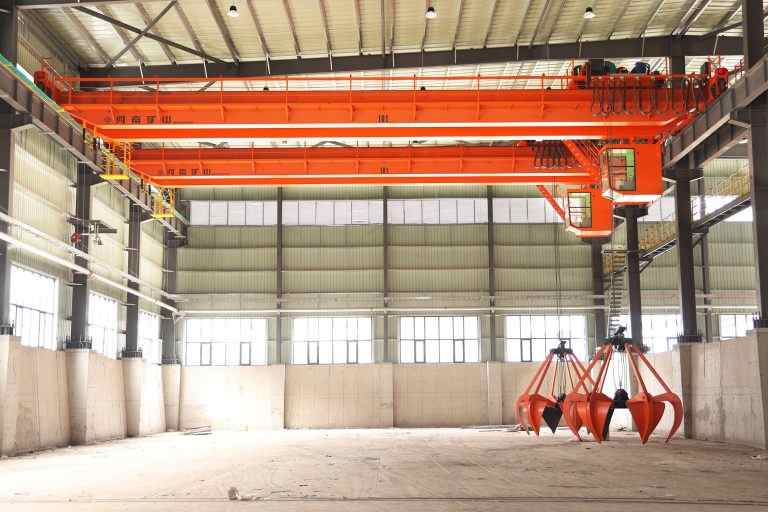
1. Lightweight design suitable for both cleanroom and explosion-proof operating conditions, offering a high degree of customization.
2. Utilizes intrinsically safe and explosion-proof components, ensuring strong environmental adaptability and a high explosion-proof rating.
3. Features variable-frequency drive control for smooth, reliable operation and supports the integration of various smart hardware modules for excellent versatility.
4. Equipped with a specialized permanent-magnet dust recovery system and a high-quality, corrosion-resistant, anti-static coating to prevent contamination from fine dust adhesion.
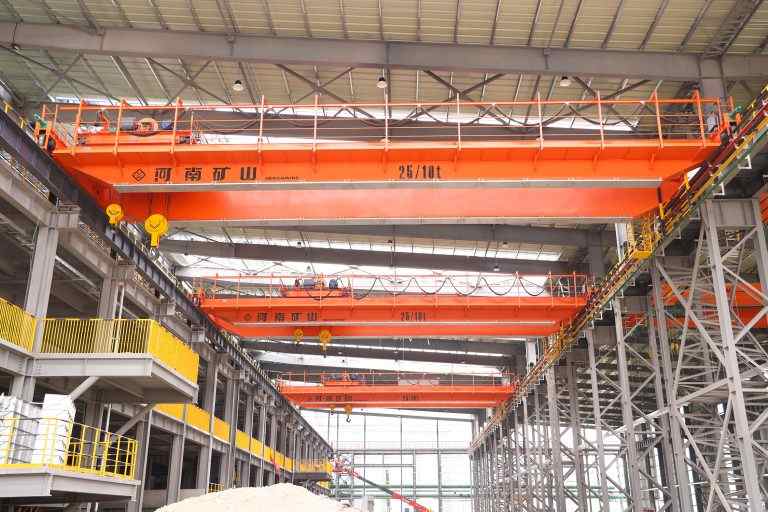
| Pain points | Henan Mine Crane Solutions |
| Cleanroom Contamination Risks | Fully sealed design; components compliant with ISO Class 4 standards. |
| Flammable/explosive gases present | Certified dIICT4 Explosion-proof Crane Structure |
| Manual operations slow down semiconductor processes. | Fully automated, centralized control, precise positioning |
| Downtime due to maintenance and malfunctions | Maintenance-free bearings, sealed gearbox, and fault-induced pause system. |
| Inconsistent load positioning, damaging fragile components. | Laser-guided AGV and bridge travel, with millimeter-level precision. |
The operation and maintenance of cleanroom explosion-proof crane differ from those of standard crane, as they face the dual challenge of ensuring explosion protection without compromising cleanliness.
Material Compatibility: Cleanrooms (such as those in pharmaceutical or semiconductor plants) typically require regular, comprehensive wiping or fumigation using strong oxidizing or corrosive disinfectants (e.g., hydrogen peroxide, alcohol, or chlorine-based solutions). Consequently, equipment surfaces are predominantly constructed from 304 or 316L stainless steel and undergo specialized polishing to ensure the absence of dead zones or burrs.
Low-dust-emission lubrication: Drive systems (bearings, gears) must utilize specialized lubricants that meet cleanroom standards—such as food-grade or low-volatility synthetic lubricants—to prevent lubricant evaporation from contaminating the workshop, or the generation of fine dust and sparks caused by dry friction.
Irreversibility of explosion-proof integrity: During maintenance, any operation involving the disassembly of flameproof surfaces (such as those on explosion-proof motors or junction boxes) requires strict adherence to specifications regarding flameproof gaps and fastener tightening. Under no circumstances should foreign matter be trapped or the mating surfaces damaged during reassembly; otherwise, the explosion-proof integrity will be instantly compromised.
Particulate Control: When performing major overhauls or component replacements in a cleanroom, it is often necessary to erect a localized clean tent or use specialized vacuum tools to prevent skin flakes or metal shavings generated during the maintenance process from falling onto the wafer or pharmaceutical production lines below.
In addition to routine load and structural safety inspections, a qualified special equipment inspection agency must conduct a specialized annual inspection of the crane's explosion-proof electrical circuits, grounding resistance, anti-static chains, limit devices, and the wear condition of spark-proof coatings or materials.
If your production environment simply requires protection against dirt and dust contamination, a standard cleanroom crane is sufficient; however, if your workshop requires a dust-free environment and is also designated as an explosion-hazardous area.
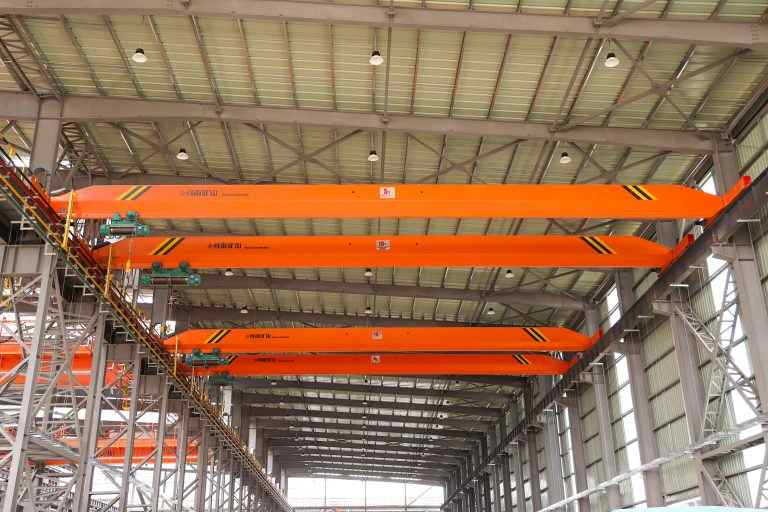
| Comparison dimensions | Cleanroom Crane | Cleanroom explosion-proof crane |
| Key Features | Prevent dust and contamination; maintain a clean environment. | Dust-proof and contamination-proof + spark-proof/explosion-proof |
| Electrical system | Standard industrial-grade or cleanroom-specific electrical components featuring low heat generation and low dust emission. | Explosion-proof electrical system (Ex-certified) |
| Mechanical explosion protection | No special requirements | Constructed from spark-resistant materials such as copper or stainless steel. |
| Price and cost | Relatively high (due to custom materials and clean-room manufacturing processes) | Extremely high (compounded double standards, extremely complex craftsmanship) |
If your production environment simply requires protection against dirt and dust contamination, a standard cleanroom crane is sufficient; however, if your workshop requires a dust-free environment and is also designated as an explosion-hazardous area (such as Zone 1 or Zone 2), you must select an upgraded cleanroom explosion-proof crane.
| Comparison dimensions | Explosion-proof crane | Cleanroom explosion-proof crane |
| Key Features | Explosion protection only (preventing ignition caused by electrical sparks or high temperatures) | Explosion-proof + Cleanroom (explosion protection combined with dust-free and contamination-free performance) |
| Workshop Environment | Chemical zones that are flammable or explosive and have no special requirements regarding dust, etc. | Flammable and Explosive + Cleanroom / Dust-free Workshop |
| Material and Appearance | Ordinary carbon steel + industrial anti-rust paint | Stainless steel / Special cleanroom coating; smooth structure that is easy to clean. |
| Particle Generation and Lubrication | Standard industrial grade; allows for the generation of trace amounts of mechanical particles or toner dust. | Standard industrial grade; allows for the generation of trace amounts of mechanical particles or toner dust. |
In short, if your workshop poses an explosion risk but tolerates ordinary industrial dust, a explosion-proof crane is sufficient; however, if the workshop requires protection against both explosions and contamination from dust or bacteria (such as in high-end lithium battery electrolyte filling or aseptic synthesis in fine chemicals), a cleanroom explosion-proof crane is mandatory.
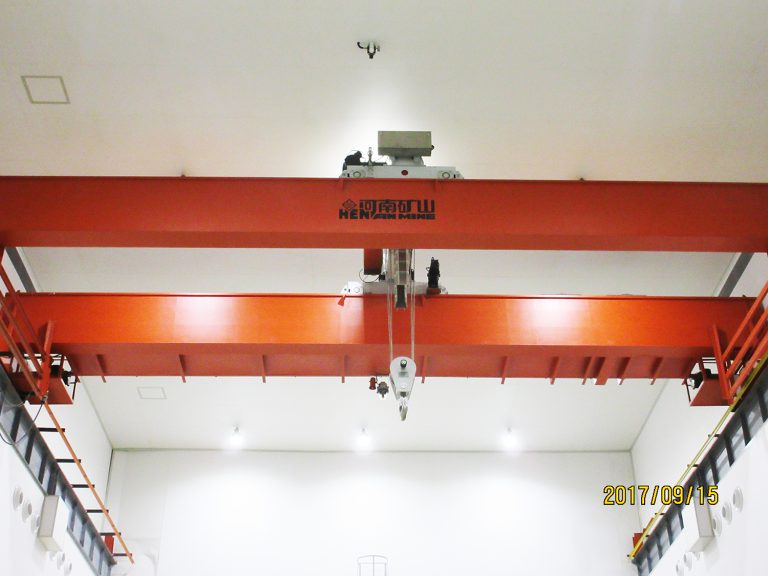
Combining the dual characteristics of explosion protection (preventing electrical sparks and high temperatures) and cleanliness (dust-free, contamination-resistant, and easy to clean), cleanroom explosion-proof cranes primarily serve the modern high-end manufacturing sector, where operations are high-risk and environmental cleanliness standards are rigorous.
This is currently one of the sectors with the highest concentration and volume of demand for cleanroom explosion-proof crane.
Typical Processes: Electrolyte filling workshops, as well as electrolyte storage and dispensing areas within lithium battery production.
Explosion-Proof Requirements: Electrolytes typically contain flammable organic solvents (such as carbonates); the resulting vapors pose a severe risk of fire and explosion (often necessitating classification as hazardous areas, such as Zone 1 or Zone 2).
Cleanliness Requirements: Battery interiors are extremely sensitive to moisture and particulate contamination. Processes such as electrolyte filling and encapsulation must be conducted in strictly controlled dry rooms or high-cleanliness environments (e.g., ISO Class 7 or 8) to prevent short circuits caused by dust particles.
High-end pharmaceutical R&D, active pharmaceutical ingredient (API) synthesis, and fine chemical production.
Typical processes: Antibiotic synthesis; hormone drug production; "refining-drying-packaging" workshops; and clean pilot-scale workshops for hazardous chemical intermediates.
Explosion-proof requirements: Frequent use of flammable and explosive organic solvents—such as alcohol, acetone, and diethyl ether—for extraction or cleaning during production.
Cleanliness requirements: Compliance with GMP aseptic production standards; equipment must prevent cross-contamination, feature surfaces that do not harbor contaminants, and withstand frequent wiping with potent disinfectants as well as sterilization procedures.
Facilities involving microelectronics and optoelectronic materials that utilize specialized flammable gases or chemicals.
Typical Processes: Formulation and packaging of specialty electronic chemicals, photoresists, and specialized precursor materials.
Explosion-Proof Requirements: Raw materials or finished products possess flammable and explosive properties.
Cleanliness Requirements: Production typically takes place in Class 100 (ISO 5) to Class 1,000 (ISO 6) cleanrooms; the crane itself must not generate particulates, carbon brush dust, or oil contamination that could compromise wafers or precision electronic substrates.
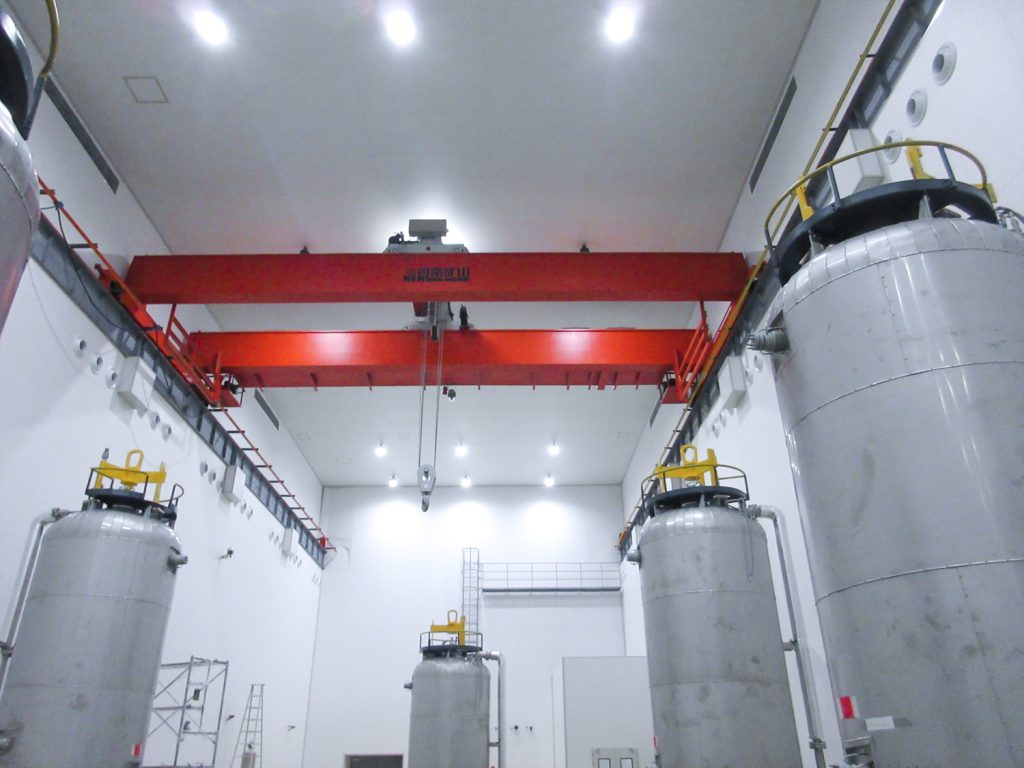
This necessitates the integration of more sensors and intelligent controllers into cleanroom explosion-proof crane to monitor equipment status and the surrounding environment in real time. Intelligent early-warning systems can detect anomalies in advance, thereby reducing the risk of accidents
The use of high-efficiency motors and optimized structural designs not only lowers energy consumption but also mitigates explosion risks associated with high operating temperatures.
For instance, nano-coating technology can enhance surface corrosion resistance and static discharge capabilities. The rise of flexible manufacturing systems requires cranes to rapidly adapt to various cleanroom environments.
In recent years, as Henan Mine Crane has continuously enhanced its comprehensive strength—spanning technology R&D, innovation, intelligent manufacturing, and the expansion into major project sectors—the company has stepped up the research, development, and production of new products such as high-precision, fully automated, and eco-friendly cranes, thereby driving its high-quality development from a position of strength toward greater refinement and excellence.
