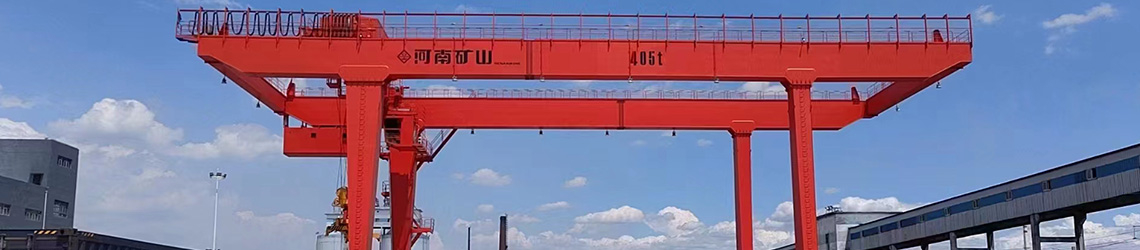
Model CD1, single speed wire rope electric hoist is small-sized lifting equipment, which can be mounted on single beam, overhead, gantry and jib cranes, with slight modification; it can also be used as a winch.
MORE
HOT PRODUCTS

Model CD1, single speed wire rope electric hoist is small-sized lifting equipment, which can be mounted on single beam, overhead, gantry and jib cranes, with slight modification; it can also be used as a winch.
MORE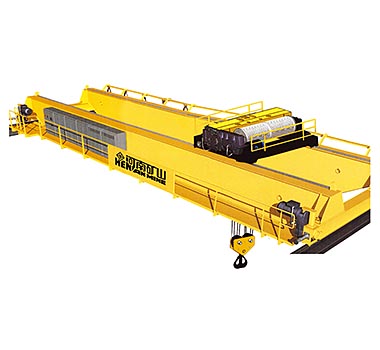
HNKS Crane Co., Ltd is one of Chinese leading manufacturers of many kinds’ cranes. Such as overhead Crane, gantry crane, European crane, tire rubber crane, metallurgy crane, portal crane, jib crane, electric hoist, grab bucket, etc.Welcome to Changyuan ...
MORE
Gantry Crane actually is overhead crane with legs, it’s normally worked outdoors, and also sometimes indoors
MORE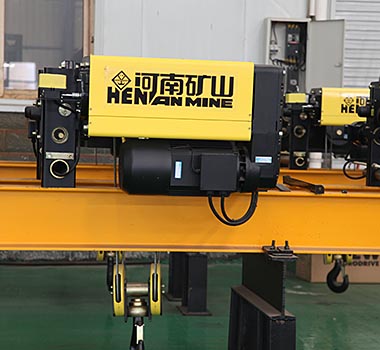
European wire ripe electric hoist adopts the European FEM design standards with advanced concept, the operation is simple, convenient and working is safety and efficient and meet the low noise, energy conservation and environment protection requiremen...
MORE10+10t Fully Automatic Electromagnet Crane with Hanging Beam | Henan Mine Crane
2023-03-05
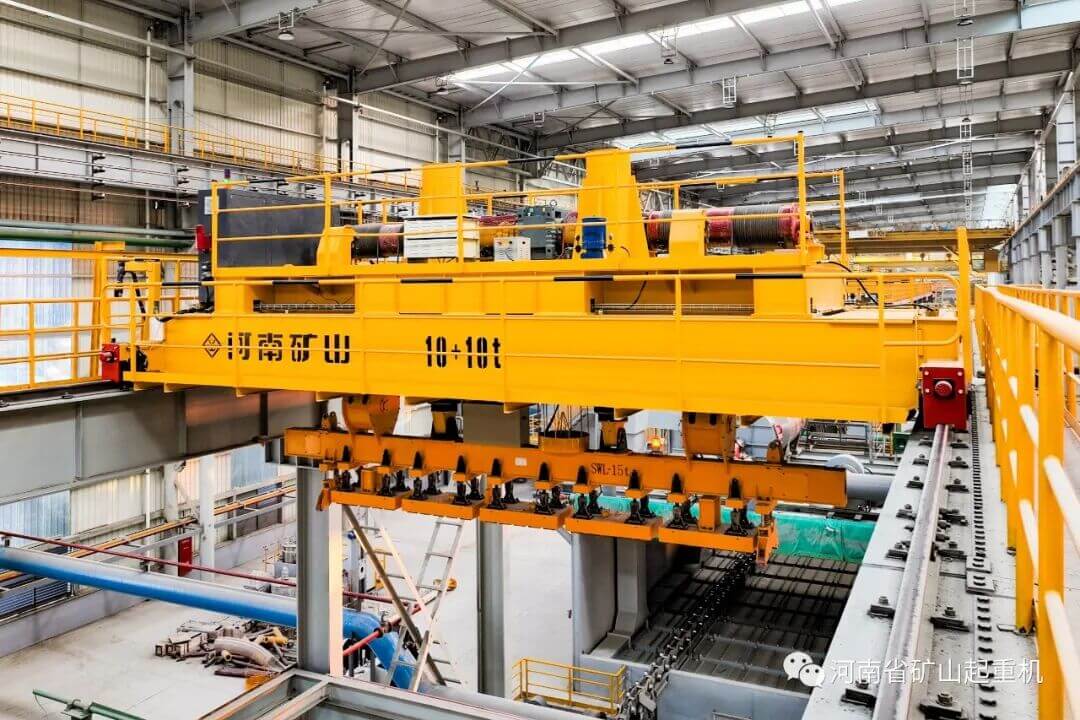
Digital transformation, customized design, and green manufacturing. Leveraging its innovative strengths in intelligent manufacturing, Henan Mine Crane recently developed a fully automatic electromagnet crane with a hanging beam. Featuring high levels of automation, robust safety and reliability, and superior positioning accuracy, the crane achieves true full automation.
The fully automatic electromagnet crane with hanging beam is a specialized, intelligent lifting device optimized and upgraded from the traditional double-girder overhead crane, falling under the category of industrial heavy-duty automated handling equipment. Unlike standard cranes, it is equipped with a dedicated electromagnetic beam assembly and an intelligent electronic control system; utilizing electromagnetic chucks as the core gripping components, it employs magnetic force to grasp ferromagnetic materials without the need for bundling or hooks. Integrated with fully automatic control systems for travel, hoisting, and rotation, it enables unmanned, high-precision, and continuous lifting and handling operations.
|
01 |
Rigid guide pillars prevent swaying, ensuring precise positioning and a high level of automated control. |
|
02 |
Seamless one-touch switching and a safe dual-motor lifting design provide dual safeguards for lifting operations. |
|
03 |
Electro-permanent magnetic lifter: instant magnetization, permanent holding force, and no need for a power-loss backup system. |
|
04 |
Fully automatic mode with intelligent interaction, enabling fully automated production. |
|
05 |
Automated avoidance between gantry cranes and optimized dispatching based on the proximity to the target handling location. |
|
06 |
Features multiple operating modes—including ground-based, remote, and long-distance operation—offering operational versatility. |
The core operation of the electromagnet crane relies on the synergy between electromagnetic lifting principles and fully automated mechanical drive systems to achieve a closed-loop, automated workflow. Upon activation, the electromagnetic chucks mounted on the beam generate a strong, stable magnetic field, securely gripping ferromagnetic materials—such as steel plates, billets, and scrap—via electromagnetic attraction. Simultaneously, an intelligent control system precisely manages the crane’s movements—including bridge travel, trolley traverse, hoisting, and beam rotation—to transport materials accurately to designated locations. During unloading, the system automatically cuts power to the chucks; the magnetic field instantly dissipates, allowing the materials to release smoothly and completing the automated handling cycle.
1. Main Mechanical Structure: Features a high-strength, double-girder bridge structure offering superior load-bearing capacity and stability, making it suitable for continuous, heavy-duty operations. Key components include main girders, end carriages, the long-travel mechanism, the cross-travel mechanism, the hoisting mechanism, and a rotating spreader beam assembly. The parallel double-girder design allows for customizable spans to maximize the utilization of factory space; the dual-point suspension spreader beam effectively eliminates load swaying and shifting, preventing steel deformation or accidental drops while ensuring operational stability.
2. Electromagnetic Adsorption Structure: This is the core operational component of the crane, comprising an electromagnetic spreader beam, a high-frequency, high-power electromagnetic chuck, a cable reel, and a control cabinet. The spreader beam serves as a dedicated load-bearing suspension structure capable of 360-degree rotation, allowing for the handling of materials of various specifications and orientations. The electromagnetic chuck is constructed from high-permeability steel, delivering uniform magnetic force, strong adsorption, and rapid response; it is capable of simultaneously lifting multiple steel plates or loose scrap metal in bulk, making it ideal for high-volume handling operations.
3. Intelligent Fully Automatic Electronic Control System: Serving as the core of the equipment's intelligence, this system integrates a PLC programmable controller, a variable-frequency drive (VFD) system, a laser positioning module, an intelligent anti-sway system, and a remote control system. It supports preset operational programs to achieve full-process automation—including automatic positioning, gripping, hoisting, stacking, and resetting. The VFD system ensures smooth starting and stopping as well as stepless speed regulation, achieving millimeter-level positioning accuracy and effectively eliminating the issues of start-stop jolts and significant positioning errors common in traditional cranes. Additionally, the system supports remote operation and unmanned functionality, making it compatible with unmanned production lines in smart factories.
4. Comprehensive Safety Protection System: Integrates multiple safety mechanisms, including overload protection, overload limits, travel limits, a dual anti-collision system, an emergency stop system, and a fault self-diagnosis and alarm system. Providing 360° all-round protection, it effectively mitigates risks such as overloading, over-travel, and equipment collisions, meeting the rigorous safety standards required for heavy-duty operations in the metallurgical and heavy industry sectors.
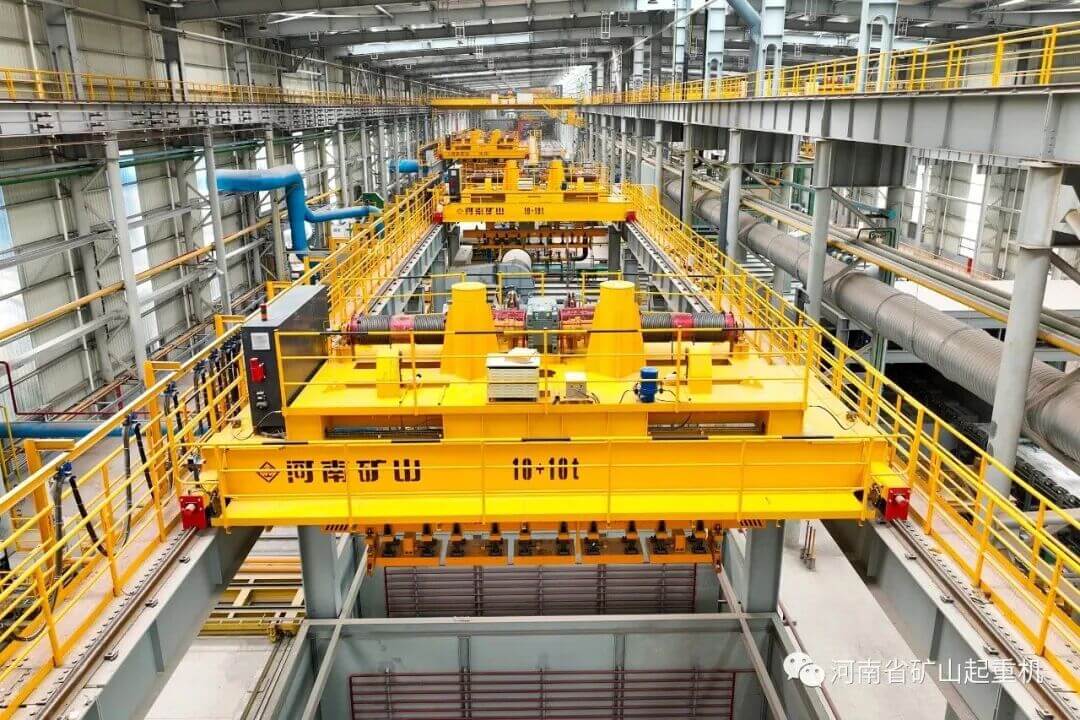
The structure of the electromagnet crane can be categorized into two main types: non-rotating and rotating; the rotating type is further subdivided into upper-rotating and lower-rotating variants.
|
Lifting Weight |
t |
16+16 |
|||||||||
|
Span |
m |
10.5 |
13.5 |
16.5 |
19.5 |
22.5 |
25.5 |
28.5 |
31.5 |
||
|
Max Lifting Height |
m |
16 |
|||||||||
|
Speed |
Hoisting |
A6 |
m/min |
13.6 |
|||||||
|
A7 |
15.3 |
||||||||||
|
Travelling Of Crab |
43 |
||||||||||
|
Travelling Of Trolley |
A6 |
102.4 |
102.9 |
86.8 |
|||||||
|
A7 |
119 |
||||||||||
|
Main Size(mm) |
A6 |
BQ |
8476 |
8620 |
8924 |
||||||
|
B |
6650 |
6700 |
7000 |
||||||||
|
B1 |
1212 |
1260 |
1262 |
||||||||
|
B2 |
612 |
660 |
662 |
||||||||
|
B3 |
1540 |
1590 |
|||||||||
|
B5 |
1281 |
1306 |
1331 |
1356 |
1381 |
||||||
|
B6 |
2287 |
2360 |
2512 |
||||||||
|
B7 |
1687 |
1760 |
1912 |
||||||||
|
K |
4500±2 |
||||||||||
|
C |
2500 |
||||||||||
|
D |
2500-5000 |
||||||||||
|
E |
1800 |
||||||||||
|
H |
2343 |
2345 |
2475 |
||||||||
|
H1 |
940+H0 |
1035+H0 |
1070+H0 |
||||||||
|
H2 |
290 |
296 |
446 |
466 |
616 |
766 |
914 |
1016 |
|||
|
H3 |
2720 |
2726 |
2846 |
2846 |
2996 |
3146 |
3296 |
3396 |
|||
|
b |
260 |
300 |
|||||||||
|
A7 |
BQ |
8574 |
8744 |
9004 |
|||||||
|
B |
6650 |
6700 |
7000 |
||||||||
|
B1 |
1262 |
1312 |
|||||||||
|
B2 |
662 |
732 |
|||||||||
|
B3 |
1540 |
1590 |
|||||||||
|
B5 |
1381 |
1406 |
1431 |
1456 |
1481 |
||||||
|
B6 |
2337 |
2412 |
2562 |
||||||||
|
B7 |
1737 |
1832 |
1982 |
||||||||
|
K |
4500±2 |
||||||||||
|
C |
2500 |
||||||||||
|
D |
2500-5000 |
||||||||||
|
E |
1800 |
||||||||||
|
H |
2434 |
2347 |
2477 |
||||||||
|
H1 |
940+H0 |
1070+H0 |
|||||||||
|
H2 |
292 |
298 |
448 |
468 |
618 |
768 |
918 |
1018 |
|||
|
H3 |
2782 |
2788 |
2818 |
2848 |
2998 |
3148 |
3298 |
3398 |
|||
|
b |
260 |
300 |
|||||||||
|
Max.Wheel Pressure |
A6 |
KN |
270 |
285 |
297 |
318 |
334 |
349 |
364 |
381 |
|
|
A7 |
281 |
293 |
309 |
325 |
341 |
357 |
374 |
392 |
|||
|
Steel track recommended |
crab |
|
P43 |
||||||||
|
Trolley |
P43 or QU70 |
||||||||||
|
Power Source |
3-Phase A.C 380V 50Hz |
||||||||||
|
Note: In the table, H0 is the additional height of the overhead crane buffer (H0 ≤ 250). |
|||||||||||
Table 2
|
Lifting Weight |
t |
20+20 |
|||||||||
|
Span |
m |
10.5 |
13.5 |
16.5 |
19.5 |
22.5 |
25.5 |
28.5 |
31.5 |
||
|
Max Lifting Height |
m |
12 |
|||||||||
|
Speed |
Hoisting |
A6 |
m/min |
11.8 |
|||||||
|
A7 |
15.22 |
||||||||||
|
Travelling Of Crab |
38.9 |
||||||||||
|
Travelling Of Trolley |
A6 |
86.6 |
87.3 |
||||||||
|
A7 |
98 |
119.2 |
|||||||||
|
Main Size(mm) |
A6 |
BQ |
8724 |
8842 |
9144 |
||||||
|
B |
6800 |
7000 |
|||||||||
|
B1 |
1262 |
1312 |
1362 |
||||||||
|
B2 |
662 |
712 |
782 |
||||||||
|
B3 |
1590 |
||||||||||
|
B5 |
1281 |
1306 |
1331 |
1356 |
1381 |
||||||
|
B6 |
2412 |
2462 |
2612 |
||||||||
|
B7 |
1812 |
1862 |
2032 |
||||||||
|
K |
4500 |
||||||||||
|
C |
2300 |
||||||||||
|
D |
2300-4500 |
||||||||||
|
E |
2000 |
||||||||||
|
H |
2726 |
2732 |
|||||||||
|
H1 |
1090+H0 |
||||||||||
|
H2 |
121 |
298 |
304 |
454 |
604 |
754 |
904 |
1004 |
|||
|
H3 |
2731 |
2728 |
2734 |
2834 |
2984 |
3134 |
3284 |
3384 |
|||
|
b |
300 |
||||||||||
|
A7 |
BQ |
9844 |
9024 |
||||||||
|
B |
6800 |
7000 |
|||||||||
|
B1 |
1362 |
1312 |
|||||||||
|
B2 |
782 |
712 |
|||||||||
|
B3 |
1540 |
1590 |
|||||||||
|
B5 |
1281 |
1306 |
1331 |
1356 |
1381 |
||||||
|
B6 |
2512 |
2562 |
|||||||||
|
B7 |
1932 |
1962 |
|||||||||
|
K |
4500 |
||||||||||
|
C |
2300 |
||||||||||
|
D |
2300-4500 |
||||||||||
|
E |
2000 |
||||||||||
|
H |
2726 |
2728 |
2734 |
||||||||
|
H1 |
1090+H0 |
1130+H0 |
|||||||||
|
H2 |
123 |
290 |
306 |
456 |
606 |
756 |
906 |
1006 |
|||
|
H3 |
2733 |
2720 |
2736 |
2836 |
2986 |
3136 |
3286 |
3386 |
|||
|
b |
300 |
||||||||||
|
Max.Wheel Pressure |
A6 |
KN |
350 |
369 |
389 |
405 |
423 |
433 |
456 |
473 |
|
|
A7 |
359 |
372 |
392 |
419 |
432 |
441 |
464 |
489 |
|||
|
Steel track recommended |
crab |
|
P43 |
||||||||
|
Trolley |
QU80 |
||||||||||
|
Power Source |
3-Phase A.C 380V 50Hz |
||||||||||
|
Note: In the table, H0 is the additional height of the overhead crane buffer (H0 ≤ 250). |
|||||||||||
|
Lifting Weight |
t |
5+5 |
10+10 |
16+16 |
25+25 |
||||
|
Working class |
|
A6 |
A7 |
A6 |
A6 |
||||
|
Span |
m |
28.5 |
25 |
34 |
25 |
33 |
25 |
||
|
Max Lifting Height |
m |
12 |
16 |
16 |
10 |
16 |
10 |
||
|
Speed |
lifting |
m/min |
12.4 |
12.6 |
12.6 |
14.8 |
16 |
15.4 |
|
|
travelling |
Travelling of crab |
44.2 |
42.2 |
42.2 |
39 |
48 |
40 |
||
|
Travelling of trolley |
102 |
85.2 |
85.2 |
106 |
101 |
107 |
|||
|
Hang beam |
Turn round |
r/min |
1.5 |
1.36 |
1.36 |
1.36 |
1.85 |
1.4 |
|
|
Main Size(mm) |
H |
3100 |
3900 |
4100 |
4200 |
4195 |
5000 |
||
|
H1 |
692 |
600 |
754 |
750 |
804 |
820 |
|||
|
H3 |
3112 |
3020 |
3174 |
3170 |
3224 |
3200 |
|||
|
HO |
760 |
1100 |
1100 |
1200 |
1300 |
1200 |
|||
|
BX |
5500 |
7500 |
7500 |
7500 |
7000 |
7500 |
|||
|
BQ |
8700 |
10730 |
10806 |
10850 |
10798 |
1100 |
|||
|
B |
7000 |
|
|
|
|
|
|||
|
K |
4000 |
6000 |
6000 |
6000 |
5500 |
6000 |
|||
|
b |
260 |
260 |
260 |
260 |
300 |
300 |
|||
|
P1 |
|
2500 |
2500 |
2500 |
2500 |
1700 |
|||
|
P2 |
|
3500 |
3500 |
3500 |
3000 |
4300 |
|||
|
P3 |
|
3500 |
2500 |
2500 |
2500 |
1700 |
|||
|
S1 |
2700 |
4450 |
4450 |
4450 |
4400 |
4400 |
|||
|
S2 |
3500 |
4000 |
4000 |
4000 |
3500 |
3700 |
|||
|
Max.Wheel Pressure |
KN |
65 |
190 |
210 |
255 |
260 |
335 |
||
|
Total Power |
KW |
50.2 |
114.8 |
128.8 |
151.3 |
196 |
243.5 |
||
|
Steel track recommended |
P43 |
QU80 |
QU100 |
||||||
|
Power Source |
3-Phase A.C 380V 50Hz |
||||||||
|
Clean Weight |
t |
15 |
25 |
30 |
||
|
working class |
|
A6 |
||||
|
span |
m |
34.3 |
46.3 |
53.3 |
||
|
Max Lifting Height |
m |
5.5 |
5 |
5 |
||
|
Speed |
lifting |
m/min |
12.2 |
11.8 |
12 |
|
|
travelling |
Travelling of crab |
38.7 |
38 |
40.8 |
||
|
Travelling of trolley |
82.5 |
82.5 |
82.5 |
|||
|
Hang beam |
Revolve |
r/min |
1 |
1 |
1 |
|
|
Flexible |
m/min |
5/10 |
5/10 |
5/10 |
||
|
Main Size(mm) |
H |
3850 |
3860 |
4350 |
||
|
H1 |
1000 |
1000 |
1000 |
|||
|
H3 |
2750 |
3300 |
2900 |
|||
|
H4 |
4250 |
4600 |
4300 |
|||
|
K |
4500 |
5500 |
5500 |
|||
|
BQ |
10800 |
12100 |
12500 |
|||
|
B |
6300 |
7500 |
8000 |
|||
|
b |
400 |
400 |
400 |
|||
|
B1 |
2250 |
2300 |
2250 |
|||
|
B2 |
2250 |
2300 |
2250 |
|||
|
S1 |
2600 |
2600 |
2700 |
|||
|
S2 |
2800 |
2800 |
2850 |
|||
|
Max.Wheel Pressure |
KN |
220 |
325 |
410 |
||
|
Steel track recommended |
QU100 |
|||||
|
Power Source |
3-Phase A.C 380V 50Hz |
|||||
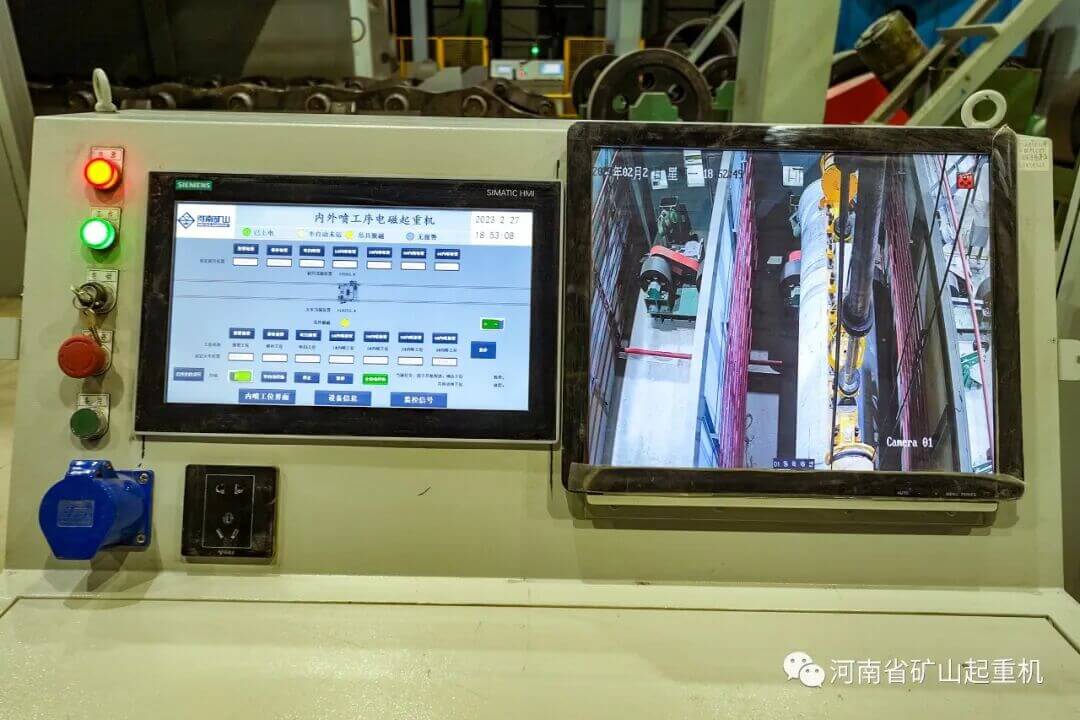
1. Intelligent anti-sway and precision positioning technology: Algorithms are used to correct the crane's travel path in real time and dynamically suppress the swaying of the suspended load. This ensures stable, sway-free movement under heavy or light loads and at high speeds, achieving positioning accuracy of ±5mm to meet the requirements for high-precision stacking and accurate material loading.
2. Fully automated intelligent scheduling technology: It integrates with factory management systems such as MES, WMS, and ERP to automatically receive production tasks and intelligently plan optimal lifting and transport paths. When multiple units operate in coordination, the system automatically avoids obstacles and intelligently staggers operations—eliminating the need for manual scheduling and enabling intelligent, unified coordination of material handling across the facility.
3. Intelligent Remote Monitoring and O&M System: Supports cloud data uploading, real-time remote monitoring, and remote control, enabling managers to view equipment operating status, operational data, and fault information in real time. The system automatically tracks work volume, energy consumption, and operating duration, providing data support for production management, equipment maintenance, and capacity optimization. It also supports remote fault diagnosis, significantly reducing downtime for repairs.
4. Variable-frequency stepless speed regulation technology: Provides full-range variable-frequency speed control, ensuring smooth starting and stopping without impact or vibration. Operating speeds automatically adjust based on working conditions, balancing efficiency with operational stability, effectively extending the service life of mechanical components and reducing equipment wear.
Traditional lifting operations require two or three workers to assist with attaching and detaching hooks and steadying the load; this process is time-consuming and inefficient, and the inconsistent pace of manual handling makes it incompatible with continuous assembly-line operations. In contrast, electromagnet crane utilize electromagnetic adhesion, eliminating the need for ropes, slings, or manual assistance—magnetic engagement and load release are performed automatically at the touch of a button. Furthermore, the equipment operates continuously around the clock, free from issues such as worker fatigue or operational errors, thereby significantly boosting the production line's overall capacity.
The equipment features an intelligent, fully automated control system capable of executing the entire workflow—including addressing, gripping, hoisting, stacking, and resetting—without human intervention. A single unit can replace two to three operators, significantly reducing labor, training, and management costs. Furthermore, the equipment integrates with the factory's intelligent scheduling system to enable collaborative operations and smart load balancing; this prevents operational conflicts, facilitates intelligent, coordinated management of material handling across the facility, and meets the requirements for upgrading to an unmanned factory.
The electromagnet crane features a professional, intelligent anti-sway system that effectively suppresses load oscillation and deviation during heavy-duty lifting, thereby eliminating issues such as collisions, deformation, and damage from dropped steel materials. Integrated with precision laser positioning technology, it achieves millimeter-level accuracy, ensuring neat and orderly stacking while preventing the disarray and losses associated with secondary handling. Compared to traditional manually operated equipment, this system resolves problems like operational errors, material impacts, and disorganized stacking, significantly reducing material loss costs for the enterprise.
Handling heavy metal loads is a high-risk operation; manual handling carries a significant risk of accidents involving falling loads, collisions, and crushing injuries. This crane is equipped with comprehensive safety systems—including overload protection, anti-collision limiters, earth-leakage protection, and fault self-diagnosis with alarms—that instantly activate protective mechanisms in the event of power outages, equipment malfunctions, or travel limit violations, thereby preventing accidents. Furthermore, the unmanned operation mode keeps personnel away from hazardous zones characterized by heavy loads, high temperatures, and dust, effectively eliminating safety risks associated with manual handling at the source.
The main structure of the equipment is constructed from high-strength alloy steel, offering excellent wear, corrosion, and fatigue resistance, making it suitable for long-term, high-intensity continuous operation. The crane is also equipped with an AI-driven intelligent operations and maintenance platform that utilizes advanced sensor technology to monitor the crane's operating status in real time. Additionally, the platform incorporates AR-based remote collaboration capabilities; when issues arise on-site, frontline operators can activate AR functions via smart devices to interact with remote expert teams in real time, receiving "hands-on" virtual guidance to rapidly diagnose and resolve problems.
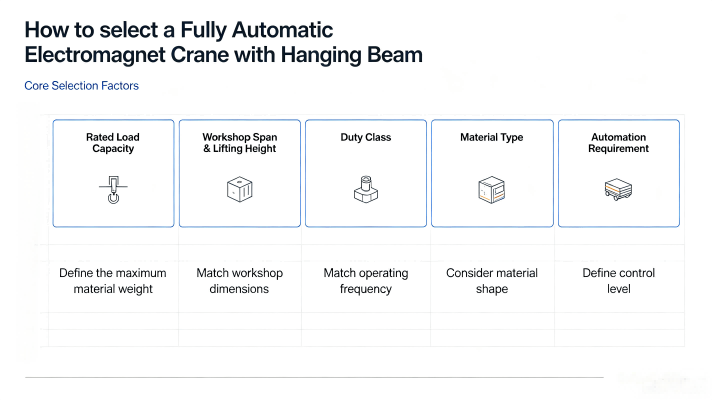
Model selection must take into account the enterprise's actual operating conditions, with a primary focus on five core parameters:
|
Key Factors for Model Selection |
Specific Selection Criteria and Recommendations |
|
Rated load capacity |
Select based on the maximum tonnage of the materials typically lifted; it is recommended to allow a 10%–20% margin for overload. |
|
Factory building span and lifting height |
It needs to be precisely matched to the actual spatial dimensions of the workshop. |
|
Duty class |
For high-frequency, heavy-load operating conditions, A5–A8 class ratings are recommended; for low-frequency, light-load conditions, A1–A4 class ratings are recommended. |
|
Material Type |
Fixed hanging beams are optional for monolithic and structured materials, and rotating hanging beam models are preferred for special-shaped bulk materials. |
|
Automation requirements |
For smart factories, it is recommended to prioritize fully automated, unmanned models, while small and medium-sized enterprises may opt for semi-automated, dual-mode models. |
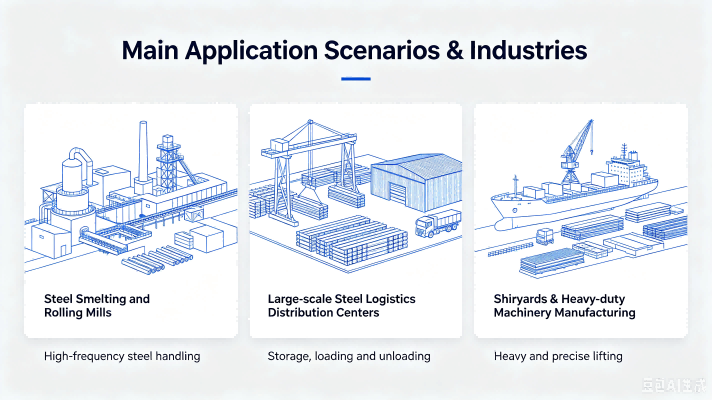
Fully automatic electromagnet cranes with hanging beam are widely used in heavy industries that require the handling of massive quantities of metal plates, profiles, and block materials.
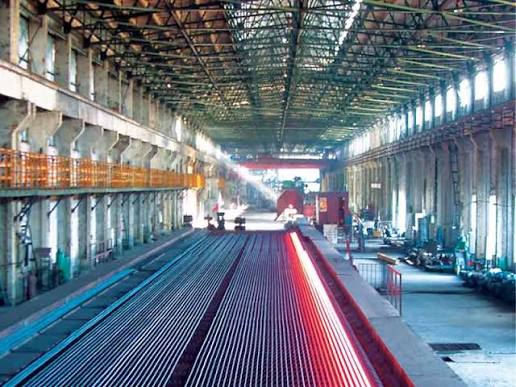
In steelmaking workshops, continuous casting billet warehouses, and finished product warehouses (for medium and heavy plates), this crane with electromagnet is used for the transfer, restacking, and truck loading of steel billets and slabs.
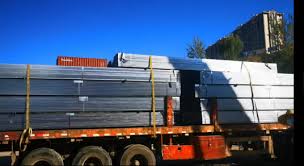
In the third-party steel warehousing and logistics park, faced with a wide variety of steel, rebar, and steel plates with complex specifications, the fully automatic electromagnetic beam crane can quickly select, classify, and load and unload according to the incoming and outgoing lists, which greatly improves logistics turnover efficiency.
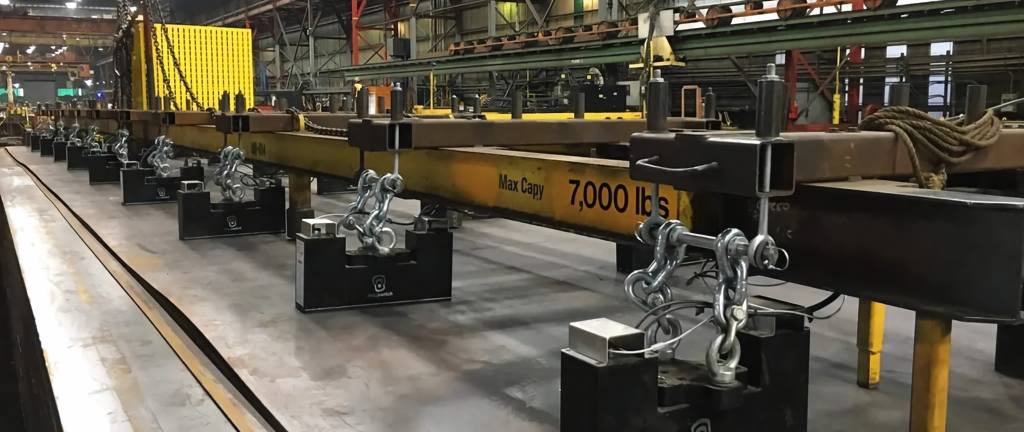
Shipbuilding and heavy industry enterprises need to handle large quantities of steel hull plates. By using cranes equipped with long-beam or multi-point adjustable electromagnetic spreader beams, large, thin steel plates can be lifted safely and steadily, preventing excessive deformation during the lifting process.
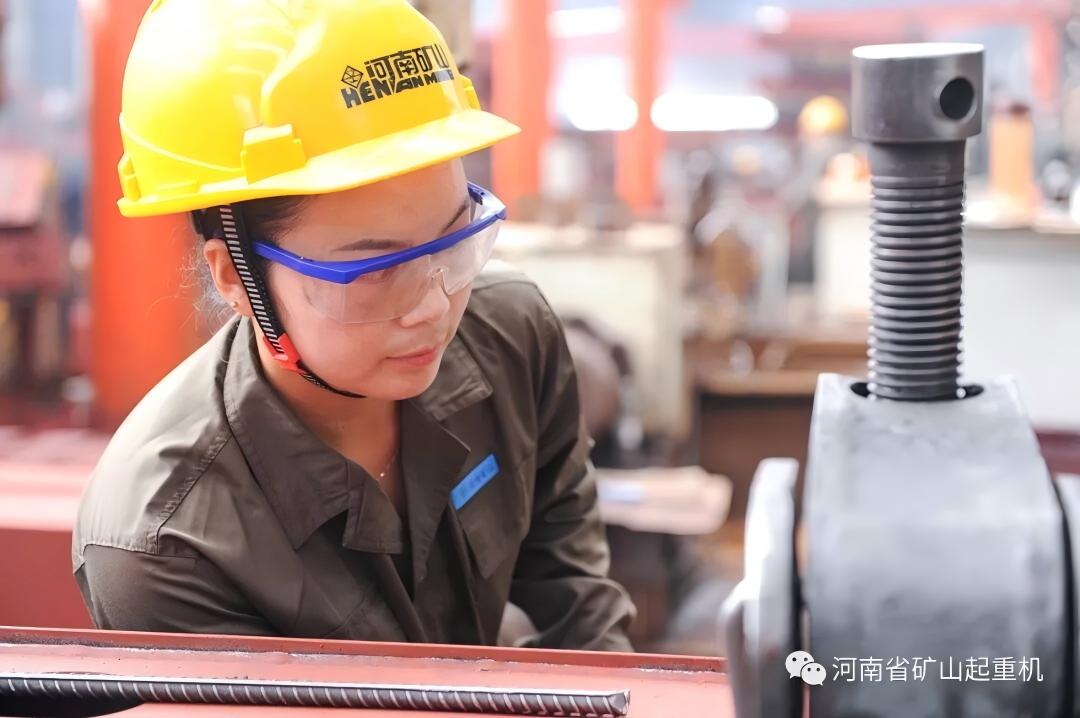
Daily Maintenance: Check the stability of the electromagnetic chuck's magnetic force, inspect wiring for damage, listen for abnormal noises from the travel mechanism, and verify the responsiveness of safety limit switches; clear debris and iron filings from the chuck surface to ensure optimal magnetic adhesion; perform a no-load test run to confirm normal equipment operation.
Weekly Maintenance: Lubricate mechanical components such as travel wheels, bearings, and gear reducers; check bolt tightness and inspect electrical terminals for looseness; calibrate parameters for the anti-sway and positioning systems.
Monthly Maintenance: Conduct a comprehensive inspection of the electromagnetic holding system, rectifier control cabinet, and variable frequency drive system; clean dust from electrical cabinets; verify positioning accuracy and anti-collision system sensitivity; replace aged seals and worn-out parts.
Annual Overhaul: Perform a complete disassembly and inspection of the entire unit; check for main girder deformation, structural wear, and wiring degradation; calibrate all operational parameters; and carry out comprehensive anti-corrosion, rust removal, and maintenance work.
| Fault type | Common causes | Solution |
| Insufficient magnetic force of the electromagnetic chuck; insecure holding. | Poor electrical contact, rectifier failure, and wear or dirt accumulation on the suction cup surface. | Clean iron filings and debris from the chuck surface, check and tighten terminal connections, service or replace rectifier components, and replace the chuck if it is severely worn. |
| Equipment wobbles during operation and exhibits significant positioning deviation. | Track misalignment, abnormal anti-sway system parameters, and uneven wheel wear. | Adjust rail parallelism and levelness, recalibrate the intelligent anti-sway algorithm, and replace worn wheel components. |
| Fully automatic program malfunction; unable to run automatically. | PLC program errors, sensor malfunctions, and abnormal signal transmission. | Restart and reset the control system, inspect and replace the laser positioning sensor, troubleshoot signal transmission faults in the wiring, and re-enter operating procedures. |
As a flagship solution for modern intelligent manufacturing and heavy-duty material handling, the magnet crane for steel handling from Henan Mine Crane redefines efficiency, precision, and safety in steel processing and metallurgical operations. By integrating advanced automation, robust dual-motor configurations, and intelligent anti-swing technology, this system empowers industrial facilities to streamline workflows, maximize storage utilization, and achieve seamless, unmanned operations. Trust Henan Mine Crane to deliver cutting-edge, reliable lifting innovations tailored to elevate your production capacity to new heights.
