Model CD1, single speed wire rope electric hoist is small-sized lifting equipment, which can be mounted on single beam, overhead, gantry and jib cranes, with slight modification; it can also be used as a winch.
MORE
HOT PRODUCTS

Model CD1, single speed wire rope electric hoist is small-sized lifting equipment, which can be mounted on single beam, overhead, gantry and jib cranes, with slight modification; it can also be used as a winch.
MORE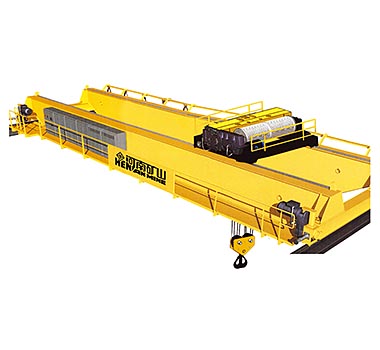
HNKS Crane Co., Ltd is one of Chinese leading manufacturers of many kinds’ cranes. Such as overhead Crane, gantry crane, European crane, tire rubber crane, metallurgy crane, portal crane, jib crane, electric hoist, grab bucket, etc.Welcome to Changyuan ...
MORE
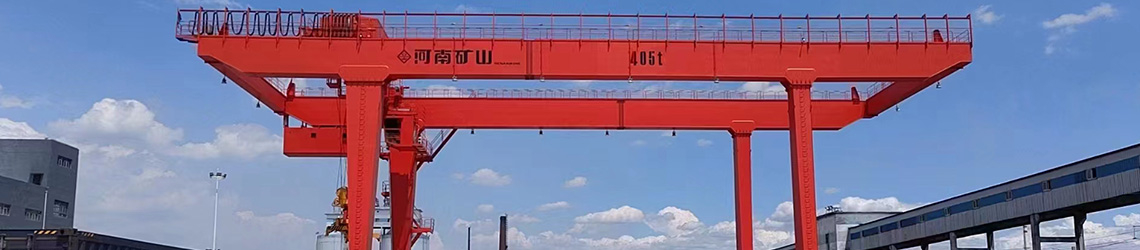
Gantry Crane actually is overhead crane with legs, it’s normally worked outdoors, and also sometimes indoors
MORE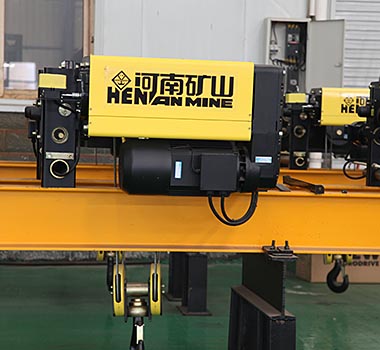
European wire ripe electric hoist adopts the European FEM design standards with advanced concept, the operation is simple, convenient and working is safety and efficient and meet the low noise, energy conservation and environment protection requiremen...
MOREExplosion-Proof Overhead Crane for Lifting Large Aerospace Equipment | Henan Mine Crane
2021-12-04
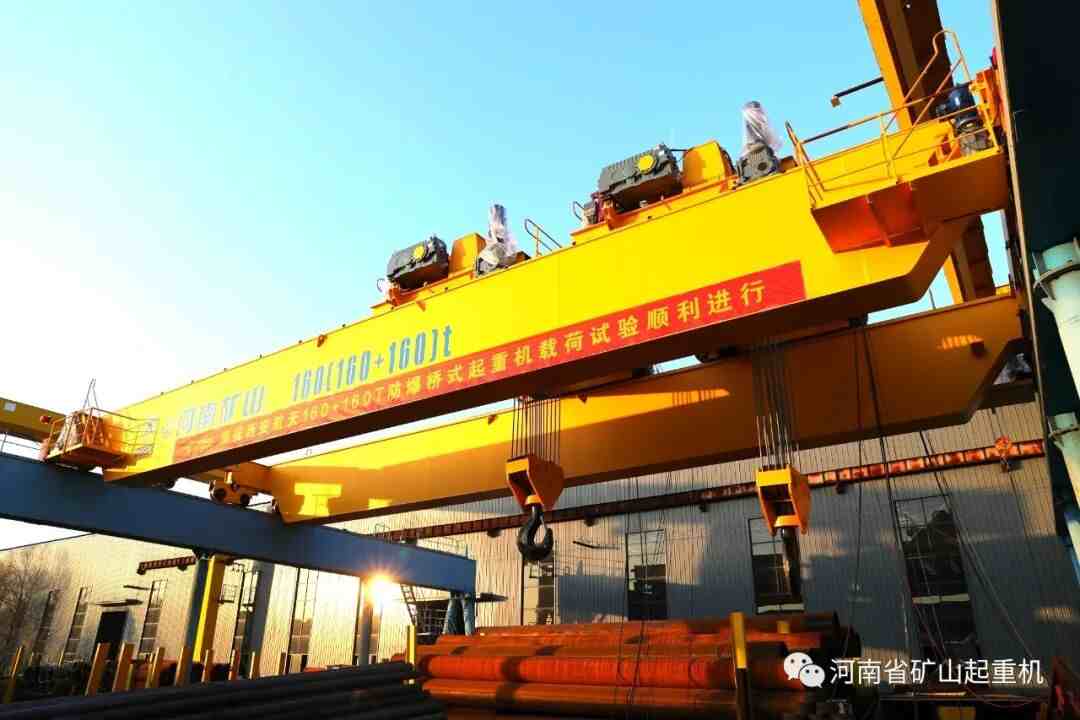
At the load test site, to ensure the safe and smooth progress of the load test for this explosion-proof double-girder overhead crane, our project team developed a detailed load test plan. Before the test, we conducted safety and technical briefings for all operating personnel and carried out a comprehensive and meticulous inspection of all the crane's mechanisms. Through no-load, static load, dynamic load, and rated load tests, the crane's load test was completed successfully.
An explosion-proof overhead crane is a lifting device designed for safe use in explosive environments. It uses special explosion-proof electrical equipment and structural designs to prevent electric sparks or excessive temperatures. Its explosion-proof principle is mainly achieved through mechanical and electrical explosion-proof technologies to control potential sparks, arcs, and high temperatures. This equipment is widely used in industries such as petroleum, chemical engineering, and military defense.
| crane travelling mechanism | Working speed(m/min) | 20/15 | ||
| speed ratio | 58.95 | |||
| motor | type | cone squirre-cage | ||
| power(Kw) | 2×0.8、2×2.2、1.5×2 | |||
| rotational speed(n/min) | 1380/960 | |||
| Lifting Machanism(electric hoist) & electric hoist travelling mechanism | model of electric hoist | HB、BCD、BMD | ||
| Lifting speed(m/min) | 8/0.8、7/0.7、3.5/0.35 | 8、7、3.5 | ||
| Hoisting height(m) | 6、9、12、18、24 | |||
| Travelling speed(m/min) | 20 | |||
| motor | cone squirre-cage | |||
| Working class | A3 | |||
| electric current | 380V 50HZ three-phase | |||
| wheel diameter | Φ270、Φ370 | |||
| width of track | 37-70mm | |||
| explosion proof grade | ExdIIBT4、ExdIICT4 | |||
| Lifting Weight | t | 20/5 | ||||||||
| span | m | 10.5 | 13.5 | 16.5 | 19.5 | 22.5 | 25.5 | 28.5 | 31.5 | |
| Max Lifting Height | main | m | 12 | |||||||
| aux | 14 | |||||||||
| working class | A3-A4 | |||||||||
| Explosion-proof level | ExdIIBT4;(ExdIICT4) | |||||||||
| Speed | main lift | m/min | 2.7 | |||||||
| aux lift | 3.7 | |||||||||
| Travelling of crab | 10.3 | |||||||||
| Travelling of trolley | 12.5 | 12.6 | ||||||||
| Main size(mm) | BQ | mm | 5940 | 5944 | 6434 | |||||
| B | 4000 | 4100 | 5000 | |||||||
| B1 | 1230 | 1182 | 817 | |||||||
| B2 | 710 | 662 | 617 | |||||||
| S1 | 1030 | |||||||||
| S2 | 1900 | |||||||||
| S3 | 2320 | |||||||||
| S4 | 1450 | |||||||||
| b | 230 | 260 | ||||||||
| k | 2000 | |||||||||
| BX | 2400 | |||||||||
| H | 2097 | |||||||||
| H1 | 850 | 940 | ||||||||
| H2 | 80 | 82 | 182 | 242 | 390 | 540 | 690 | 840 | ||
| H3 | 2520 | 2522 | 2552 | 2622 | 2770 | 2920 | 3070 | 3220 | ||
| H4 | 701 | 611 | ||||||||
| H5 | 496 | |||||||||
| h | 820 | |||||||||
| Weight | crab | t | 6.85 | |||||||
| Total weight | 18.5 | 19.6 | 21.7 | 25.2 | 28.2 | 32.3 | 35.5 | 39 | ||
| Max.wheel weight | KN | 146 | 153 | 162 | 170 | 178 | 191 | 198 | 208 | |
| Steel track recommended | P43/QU70 | |||||||||
| Power source | 3P A.C 50HZ 380V | |||||||||
| Lifting Weight | t | 32/5 | ||||||||
| span | m | 10.5 | 13.5 | 16.5 | 19.5 | 22.5 | 25.5 | 28.5 | 31.5 | |
| Max Lifting Height | main | m | 16 | |||||||
| aux | 18 | |||||||||
| working class | A3-A4 | |||||||||
| Explosion-proof level | ExdIIBT4;(ExdIICT4) | |||||||||
| Speed | main lift | m/min | 2.6 | |||||||
| aux lift | 3.7 | |||||||||
| Travelling of crab | 9.8 | |||||||||
| Travelling of trolley | 12.6 | 12.3 | ||||||||
| Main size(mm) | BQ | mm | 6474 | 6620 | 6924 | |||||
| B | 4650 | 4700 | 5000 | |||||||
| B1 | 1212 | 1260 | 1262 | |||||||
| B2 | 612 | 660 | 662 | |||||||
| S1 | 1070 | |||||||||
| S2 | 2050 | |||||||||
| S3 | 2680 | |||||||||
| S4 | 1700 | |||||||||
| b | 260 | 300 | ||||||||
| k | 2500 | |||||||||
| BX | 2800 | |||||||||
| H | 2343 | 2345 | 2475 | |||||||
| H1 | 940 | 1035 | 1070 | |||||||
| H2 | 90 | 94 | 244 | 264 | 414 | 564 | 714 | 814 | ||
| H3 | 2520 | 2524 | 2614 | 2644 | 2794 | 3944 | 3094 | 3194 | ||
| H4 | 705 | 701 | 571 | |||||||
| H5 | 790 | |||||||||
| h | 820 | |||||||||
| Weight | crab | t | 10.87 | |||||||
| Total weight | 24.5 | 26.7 | 29.5 | 33.2 | 37.2 | 41 | 45.5 | 49 | ||
| Max.wheel weight | KN | 211 | 224 | 236 | 249 | 261 | 272 | 285 | 295 | |
| Steel track recommended | QU70 | |||||||||
| Power source | 3P A.C 50HZ 380V | |||||||||
| Lifting Weight | t | 50/10 | ||||||||
| span | m | 10.5 | 13.5 | 16.5 | 19.5 | 22.5 | 25.5 | 28.5 | 31.5 | |
| Max Lifting Height | main | m | 12 | |||||||
| aux | 14 | |||||||||
| working class | A3-A4 | |||||||||
| Explosion-proof level | ExdIIBT4;(ExdIICT4) | |||||||||
| Speed | main lift | m/min | 1.9 | |||||||
| aux lift | 3.37 | |||||||||
| Travelling of crab | 8.9 | |||||||||
| Travelling of trolley | 12.3 | |||||||||
| Main size(mm) | BQ | mm | 6724 | 6824 | 7144 | |||||
| B | 4800 | 5000 | ||||||||
| B1 | 1262 | 1312 | 1362 | |||||||
| B2 | 662 | 712 | 782 | |||||||
| S1 | 1005 | |||||||||
| S2 | 2200 | |||||||||
| S3 | 3195 | |||||||||
| S4 | 2000 | |||||||||
| b | 300 | |||||||||
| k | 2500 | |||||||||
| BX | 3580 | |||||||||
| H | 2726 | 2732 | ||||||||
| H1 | 1090 | |||||||||
| H2 | -79 | 96 | 102 | 252 | 402 | 552 | 702 | 802 | ||
| H3 | 2531 | 2526 | 2532 | 2632 | 2782 | 2932 | 3082 | 3182 | ||
| H4 | 1020 | 1014 | ||||||||
| H5 | 948 | |||||||||
| h | 675 | |||||||||
| Weight | crab | t | 15.42 | |||||||
| Total weight | 28.4 | 30.6 | 34.8 | 38.7 | 42.3 | 48.1 | 51.5 | 56.7 | ||
| Max.wheel weight | KN | 302 | 318 | 340 | 351 | 365 | 380 | 391 | 405 | |
| Steel track recommended | QU80 or 100 | |||||||||
| Power source | 3P A.C 50HZ 380V | |||||||||
An explosion-proof overhead crane is a complete mechanical and electrical system consisting of a metal structure, explosion-proof electrical equipment, mechanical drives, and safety devices. Its explosion-proof principle is to take specific measures to control both electrical sparks and mechanical sparks (caused by friction or impact) at the same time. This prevents them from igniting explosive gas mixtures or combustible dust in the surrounding work environment.
1. Mechanical explosion-proof technology is mainly achieved through the following methods: using special spark-free materials in areas prone to dangerous sparks; controlling the content of metals that easily produce sparks, such as magnesium and titanium, in light alloy enclosures; and preventing impacts and friction between moving mechanical parts.
2. An explosion-proof electrical technology uses different types of explosion-proof electrical equipment based on the characteristics of the devices and circuits:
(1) For high-power equipment and circuits—such as bridge travel motors, trolley travel motors, hoisting motors, electrical control cabinets, and main power switches—flameproof (Ex d) electrical equipment and cable wiring are generally used.
(2) For wiring, junction boxes, and control switches, increased safety (Ex e) electrical equipment is typically used.
(3) For low-power equipment and circuits—such as signals and overload sensors—intrinsic safety (Ex i) explosion-proof electrical equipment is generally applied.
Connecting cables must be round rubber-sheathed cables with compression nut cable glands to prevent pulling out and to ensure a reliable seal. Cable splices or joints are strictly prohibited along the length of the cable.
Explosion-proof overhead cranes, based on ordinary bridge cranes, are specially designed to ensure safe operation in flammable and explosive environments. Their working principle mainly includes:
Explosion-proof overhead cranes follow the same basic working principles as standard bridge cranes:
(1) Core Structure: It consists of four main parts: the bridge frame, the bridge travel mechanism, the trolley, and the hoisting mechanism.
(2) Bridge Travel Mechanism: Moves the entire crane forward and backward along the tracks.
(3) Trolley Mechanism: Moves left and right across the bridge frame.
(4) Hoisting Mechanism: Uses an electric motor to turn a drum, using steel wire ropes or chains to lift and lower the hook.
(5) Three-Way Coordination: The bridge, trolley, and hoist work together to accurately position and move goods.
The core of an explosion-proof overhead crane lies in its safety design, ensuring secure operation in flammable and explosive environments.
(1) Explosion-proof materials: Main components and outer shells use anti-spark materials (such as steel and aluminum alloys) to reduce sparks or hot spots.
(2) Sealing design: Key parts are tightly sealed to prevent outside flammable gases or dust from entering and forming explosive mixtures.
(3) Electrical system: Uses explosion-proof motors, switches, and control boxes.
(4) Transmission parts: Drive components are built with explosion-proof designs.
(5) Control parts: Equipped with specialized explosion-proof control devices.
(6) Static electricity removal: Uses conductive flooring, grounding wires, and shielding to prevent static buildup and sparks.
(7) Overload protection: Features devices to monitor and control the crane's load, preventing dangerous overloads.
(8) Temperature control: Monitors component temperatures to prevent fires or explosions caused by overheating.
(9) Explosion-proof sensors: Real-time detection of surrounding gas concentration and temperature, sounding an alarm if levels become abnormal.
(10) Safe operation methods: Supports long-distance and remote-control operation to reduce direct human contact with the equipment.
(11) Automatic fault diagnosis: Quickly finds and locates problems to improve repair efficiency and safety.
(12) Emergency stop device: Cuts off power immediately during emergencies to protect lives and property.
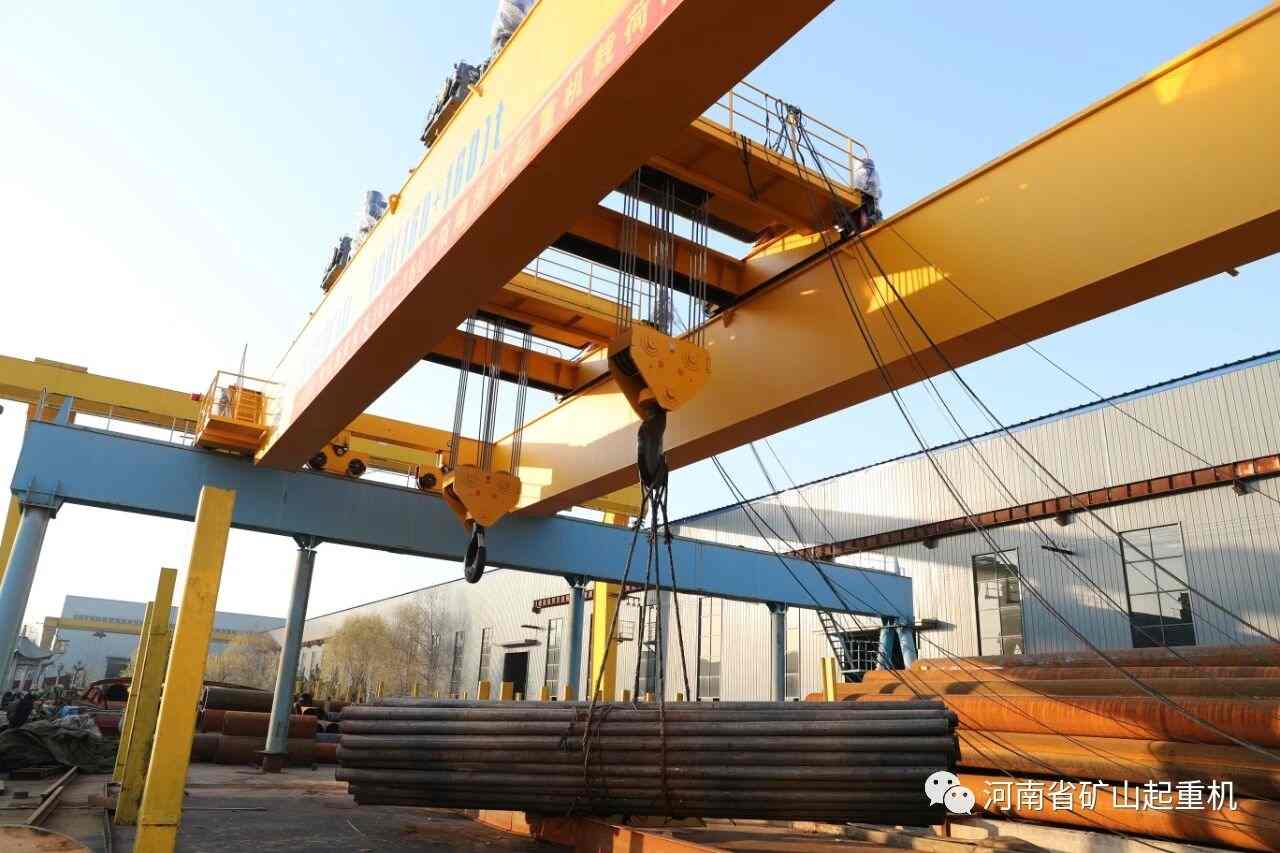
1. Complete Explosion-Proof Design: Every part of the machine—including the motor, electrical control system, brakes, and couplings—is explosion-proofed, meeting or exceeding the Ex d IIB T4 safety standard.
2. Dust and Gas Protection: Designed for areas with flammable dust and T4 safety requirements, this feature prevents dust and harmful gases from entering the crane and disrupting its operation.
3. Safe and Reliable: Equipped with explosion-proof limit switches, cables, lights, and control button boxes to ensure absolute safety in hazardous work environments.
4. High Stability: Features a double-girder structure that increases load capacity and structural strength, making it ideal for medium-to-heavy lifting tasks.
5. Flexible Operation Modes: Can be operated via a cabin, pendant wire control, or an explosion-proof wireless remote to fit different working conditions.
6. Smooth Operation: Uses a low-noise drive mechanism that starts and stops smoothly, reducing the risk of sparks or explosions.
The performance of explosion-proof overhead cranes mainly depends on their explosion-proof rating and explosion-proof type. The explosion-proof rating is classified according to the degree of danger of explosive gases or dust, and there are generally four levels: I, IIA, IIB and IIC. The explosion-proof type is classified according to the different explosion-proof measures of electrical equipment, and there are generally eight types: flameproof (d), intrinsically safe (i), dust explosion-proof, pressurized (p), increased safety (e), oil-immersed (o), sand-filled (q) and potting (m).
Explosion-proof cranes are mainly classified according to their structure and function. Generally, there are three types: explosion-proof double-girder overhead cranes, explosion-proof electric single-girder overhead cranes, and explosion-proof electric hoist overhead cranes. All of them use explosion-proof electric hoists as the lifting mechanism, but they differ in terms of span, working class, and load capacity. For example, explosion-proof double-girder overhead cranes have a span of 7.5-31.5 meters, working class A3-A5, and load capacity of 5-75 tons; explosion-proof electric single-girder overhead cranes have a span of 7.5-22.5 meters, working class A3-A4, and load capacity of 1-20 tons; and explosion-proof electric hoist overhead cranes have a span of 7.5-22.5 meters, working class A3-A4, and load capacity of 1-10 tons.
| Comparison Dimensions | Explosion-proof double-girder overhead crane (such as QB type winch type) | Explosion-proof electric hoist overhead crane (such as LHB type) | Explosion-proof electric single-girder crane/overhead crane (such as the LB type) |
| Lifting mechanism | The open-type winch trolley uses a professional drum and wire rope system. | Explosion-proof electric hoist (operating above or between double beam tracks) | Explosion-proof electric hoist (operating suspended below the lower flange of a single main beam) |
| Main beam structure | The double main beam design provides excellent overall stiffness and torsional resistance. | The double main beam structure is relatively compact. | Single main beam, simple structure, light weight |
| Load capacity range | Typically 5t - 500t (covering large and heavy loads) | Typically 1t - 32t (mainly medium and light loads) | Typically 1t - 20t (light or medium load) |
| Job level | Higher capacity (A5 - A7), suitable for high-frequency, full-load continuous operation. | Medium (A3 - A5), suitable for moderately frequent assignments. | Lower capacity (A3 - A4), suitable for intermittent, light-load operations. |
| Space utilization and factory requirements | It occupies a large amount of factory building clearance and has high requirements for building load-bearing capacity and space. | It has good space utilization and balances the stability and economy of double beams. | Low building clearance requirements, maximizes space saving, and minimizes blind spots. |
| Explosion-proof characteristics and standards | Both the mechanical components (made of fire-resistant material and copper pulleys) and the electrical system are subject to strict explosion-proof measures. | Key electrical components are designed with explosion-proof features, ensuring overall safety and reliability. | Electrical components and running wheels are explosion-proof, meeting the protection requirements for specific hazardous areas. |
| Typical application scenarios | Large-scale petrochemical, military, coal chemical, and heavy machinery manufacturing workshops are among the high-risk, heavy-duty workshops in these industries. | Material handling in small and medium-sized chemical plants, warehouses, power distribution rooms, oil depots, etc. | Small and medium-sized explosion-proof workshops, light industrial and pharmaceutical workshops with limited space |
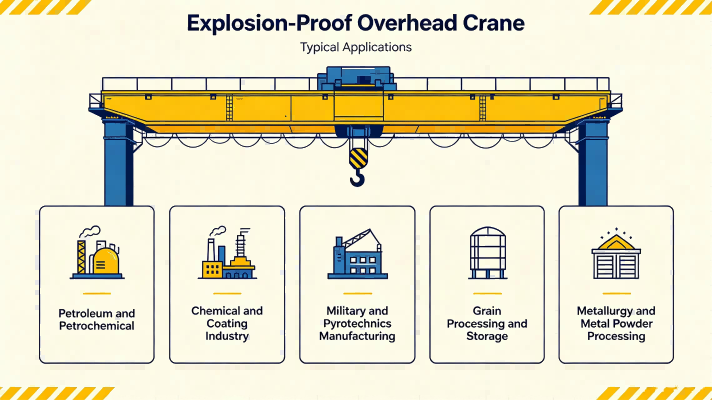
Oil and petrochemical industry: Refineries, oil depots, chemical plants, and offshore drilling platforms. Used for lifting heavy compressors, reactors, valves, and oil/gas pipelines while preventing leaked hydrocarbon gases from igniting due to electrical sparks.
Chemical and coatings industry: Organic solvent synthesis workshops, paint and coating manufacturing plants, and pesticide production workshops. These areas frequently store and handle large amounts of flammable volatile liquids.
Military and pyrotechnics manufacturing: Ammunition depots, weapon assembly workshops, and gunpowder/propellant manufacturing plants. Used for handling military supplies that are extremely sensitive to sparks, static electricity, and high temperatures.
Grain processing and storage: Flour mills, starch plants, large grain silos, and feed processing plants. When airborne organic dust reaches a certain concentration, it can easily trigger dust explosions if exposed to a fire source, requiring dust-proof and explosion-proof lifting equipment.
Metallurgy and metal powder processing: Aluminum and magnesium powder processing, as well as metal spraying workshops. Metal dusts such as aluminum, magnesium, and titanium pose a high explosion risk at specific concentrations.
Strong corrosive gases: These will corrode explosion-proof enclosures and seals. Strong acid and alkali environments require special anti-corrosion customization.
Unprotected outdoor use exposed to rain and sun: Explosion-proof electrical seals age and get damaged easily, so indoor use is preferred. If used outdoors, rain and weather protection must be installed.
Excessively high temperatures: Operating in conditions that exceed the allowable ambient temperature of the explosion-proof equipment will lower its safety rating.
Presence of special high-risk gases like acetylene or hydrogen: These require higher explosion-proof grades. Standard explosion-proof bridge cranes may not be suitable, and the specific explosion group must be verified separately.
Match the explosion-proof grade with the site environment: One explosion-proof crane cannot be used universally in all explosive environments.
Comprehensive explosion-proof components: Cables, junction boxes, limit switches, and brakes must all be explosion-proof—not just the motor.
Reliable grounding: Equipment must be securely grounded to prevent static electricity buildup.
Regularly inspect flameproof joints: Any dents or surface damage will directly cause the equipment to lose its explosion-proof capability.
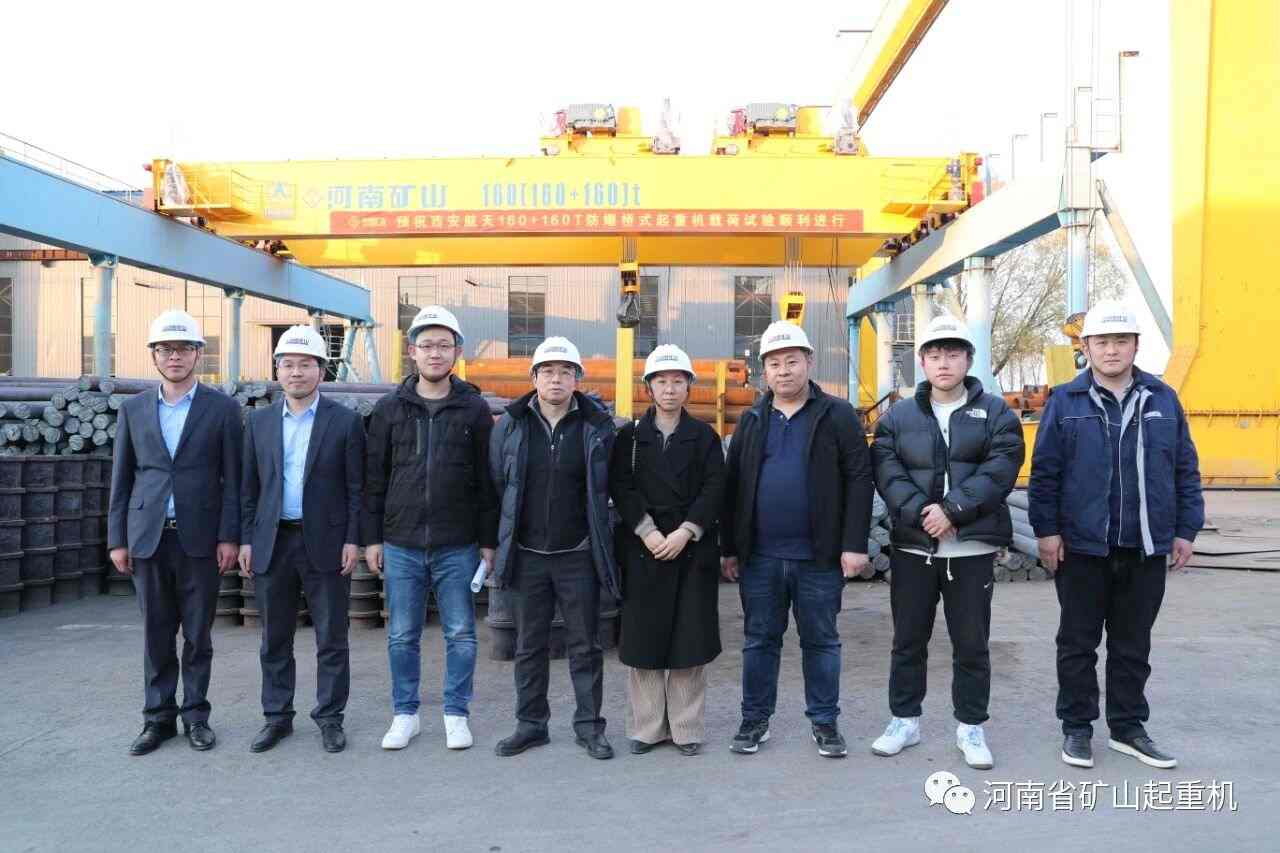
The Fourth Academy of Aerospace Science and Technology is a testing base for the design, research and development, and production of solid rocket engines. Henan Mine Crane, as a key crane equipment supplier for the Fourth Academy, manufactured a 160t+160t explosion-proof double-girder overhead crane for the aerospace industry, filling a gap in the application of large-tonnage explosion-proof overhead cranes in the domestic aerospace field. This powerful alliance between the two parties will leverage their respective product advantages and technological strengths to contribute to the development of the aerospace industry and jointly write a new chapter in building a strong aerospace nation.
